
- Mapping the Living Arctic: Science and Inuit Knowledge Combine to Reveal a Dynamic Seafloor
- Canada Marks 10 Years of the National Elevation Data Strategy
- 30 Years of RADARSAT: Canada’s Earth Observation Legacy
- Edmonton Police and Esri Canada Use Mapping Tech to Boost Transit Safety
- MDA Space Invests $10 Million in Maritime Launch Services
- New Drone Regulations Give Canadian Operators More Flexibility
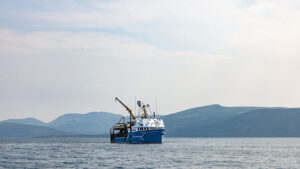
Mapping the Living Arctic: Science and Inuit Knowledge Combine to Reveal a Dynamic Seafloor
Canadian researchers from Dalhousie University and NRCan have made the first-ever discovery of seasonal movements beneath the sub-Arctic seafloor. Using high-resolution mapping in Nunatsiavut, they found that ice formation in sediment causes the seabed to subtly rise and fall through the year.
In Nunatsiavut, Inuit community members are also reshaping Arctic mapping by blending oral history with ocean research to chart traditional sea-ice travel routes. These new “counter-maps” highlight Indigenous knowledge and show how people have long lived and traveled across the region’s changing landscape. Read more here.
Canada Marks 10 Years of the National Elevation Data Strategy
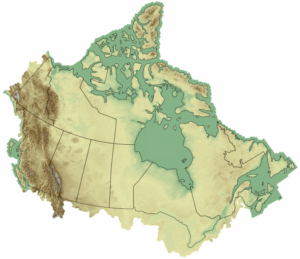
Canada’s National Elevation Data Strategy, led by Natural Resources Canada, is celebrating a decade of improving how the country collects and shares high-resolution elevation data. The initiative has built a strong national geospatial foundation, combining Lidar and satellite technologies to support better decisions for infrastructure, climate adaptation, and resource management. Over 2 million square kilometres of Lidar data and 13 million building footprints are now publicly available. Read more here.
30 Years of RADARSAT: Canada’s Earth Observation Legacy
The Canadian Space Agency is celebrating 30 years of the RADARSAT program, a cornerstone of Canada’s leadership in satellite radar technology. Since the launch of RADARSAT-1 in 1995, the program has advanced how we monitor oceans, forests, ice, and climate change. With RADARSAT-2 and the three-satellite RADARSAT Constellation Mission, Canada continues to deliver vital Earth observation data for safety, sustainability, and science. Read more here.

Edmonton Police and Esri Canada Use Mapping Tech to Boost Transit Safety
The Edmonton Police Service has partnered with Esri Canada on a $1.3-million federally funded project to enhance safety across the city’s transit network. The new Edmonton Transit Enhanced Community Safety System will use digital twin mapping, indoor positioning, and real-time tracking to support quicker response and improve officer coordination in stations and tunnels. Read more here.

MDA Space Invests $10 Million in Maritime Launch Services
MDA Space has announced a $10-million investment in Maritime Launch Services to help advance Spaceport Nova Scotia’s development. The partnership will accelerate Canada’s readiness for orbital launch operations and strengthen its position in the global space industry. MDA will also take an operational role and gain a seat on Maritime Launch’s board. Read more here.

New Drone Regulations Give Canadian Operators More Flexibility
Transport Canada’s updated drone regulations, effective November 4, now allow certified pilots to fly in more scenarios without needing a Special Flight Operations Certificate. The changes enable low-risk and extended visual line-of-sight flights, expanding opportunities for sectors like film, real estate, and agriculture. Nav Canada says the new rules will help Canadian businesses innovate and strengthen the country’s drone economy. Read more here.





Be the first to comment