
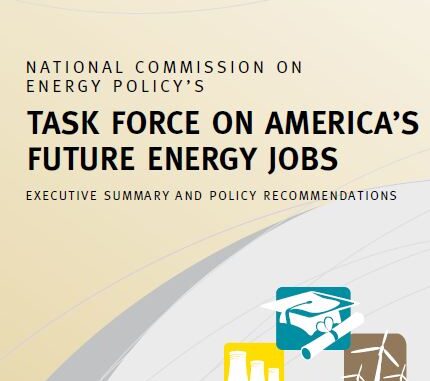
According to a recent report Task Force on America’s Future Energy Jobs at the Bipartisan Policy Center, it is estimated rhat 30 to 40 percent of the 400,000 people employed in electricity generation, transmission and distribution are expected to retire or leave the industry by 2013. It is estimated that 60,000 additional workers will be needed by 2030 to operate and maintain renewable electric generation systems. In the near term, it is estimated that more than 90,000 people will be needed to deploy smart grid technologies.
Replacing retiring workers plus new workers for renewable energy and smart grid initatives is expected to generate a “jobs bonanza” for the next generation of electric power workers. Traditional apprenticeship and other routes for preparing these new workers are increasingly seen as either too time sonsuming or not appropriate for preparing workers for the the new smart and renewable energy electric power networks that are replacing the existing power grid.
In response to the demand for computer savvy technicians a growing number of universities and community colleges are customizing degree programs to train electrical power workers to handle both conventional electric power and renewable and smart grid networks. For example, Richmond Community College (RCC) in Hamlet, N.C. is teaming up with area utilities to develop a two-year associate’s degree in utility substation and relay technology. The college plans to provide training for students in operating and maintaining the current and next generation fleet of substations. Apparently the idea for the education initiative began when Progress Energy approached the school with concerns that in the normal process new inexperienced hires required up to five years of training to become relay technicians, which Progess Energy saw as too protracted a process to keep up with the rate at which experienced workers are retiring.
The task force report encourages Congress to apply existing educational funding tools such as the Post 9/11 GI Bill and Pell Grants toward vocational and skilled training programs. The report laso suggests an aggressive focus on improving math and science skills in K-12 education.
As another example, York Technical College in Rock Hill, South Carolina has partnered with Duke Energy and other area power companies to develop a nine-week certificate program for specialized electrical line workers.
South Carolina joined eight other states in a Center for Energy Workforce Development initiative (funded by $1.3 million grant from the Bill and Melinda Gates Foundation) to train low-income, young adults for energy industry careers. The focus on attracting low income, young adults is simialr to what City West Water in Melbourne, Australia implemented in their cadet program.
Be the first to comment