
One of my takeaways from the annual GITA ANZ 2010 conference in Brisbane earlier this year was from Graeme Anthonsen’s presentation in which he outlined the cadet program that City West Water has implemented to attract and train replacements for the experienced water and sewer network designers that are retiring and leaving the company at a rapid rate. If I remember correctly, City West Water brought twelve young people from high schools into the cadet program last year, and have brought nine more in this year. A recent article describes initiatives at Toronto Hydro, Duke Energy, and other utilities who are setting up programs for workforce development and training for existing and new employees in the same spirit as what Graeme Anthonsen has done at City West Water.
Earlier this year when I had a chance to speak to a group at the Brazilian Electricity Regulatory Agency (ANEEL), I asked whether they were experiencing a manpower problem. The response was unanimous and indicated this was a major challenge in the power utility industry in Brazil. Similarly when I spoke at the Instituto de Investigaciones Electricas (IIE) during my last visit to Mexico, I asked the same question. The response was similar and specifically identified a shortage of electrical engineers. 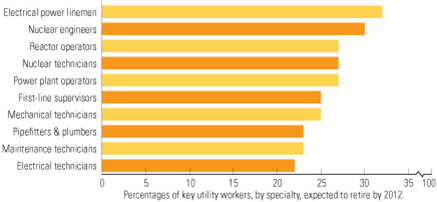 According to a recent report by the U.S. Power and Energy Engineering Workforce Collaborative, over the next five years 45 percent of engineers in electric utilities will be eligible for retirement or could leave engineering for other reasons. In the same period some 50 senior faculty members of the 170 engineering faculty working full‐time in power engineering education and research in the US will be retiring. A report Workforce Trends In the Electric Utility Industry by the US Department of Energy, has forecast a serious shortage of line workers in the US.
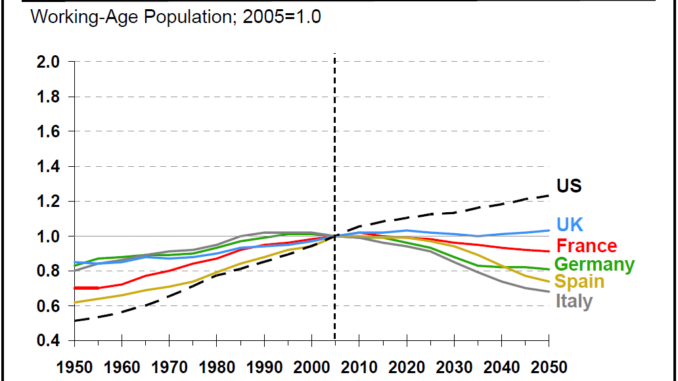
There are two trends at work here. One is what is referred to as the shrinking or aging workforce, which is affecting many of the world’s advanced economies. In countries like Germany and Japan, the population is aging and shrinking. In others such as the US, the participation rate has declined as life expectancy has increased. The result is a shrinking workforce. The problem is exacerbated in the utility industry, where the average age of utility workers in many advanced economies is over 50. The second challenge is that as we expand and replace our existing electric and other utility networks with renewable energy and intelligent networks (smart grids), new skills, especially digital technology skills, are required.
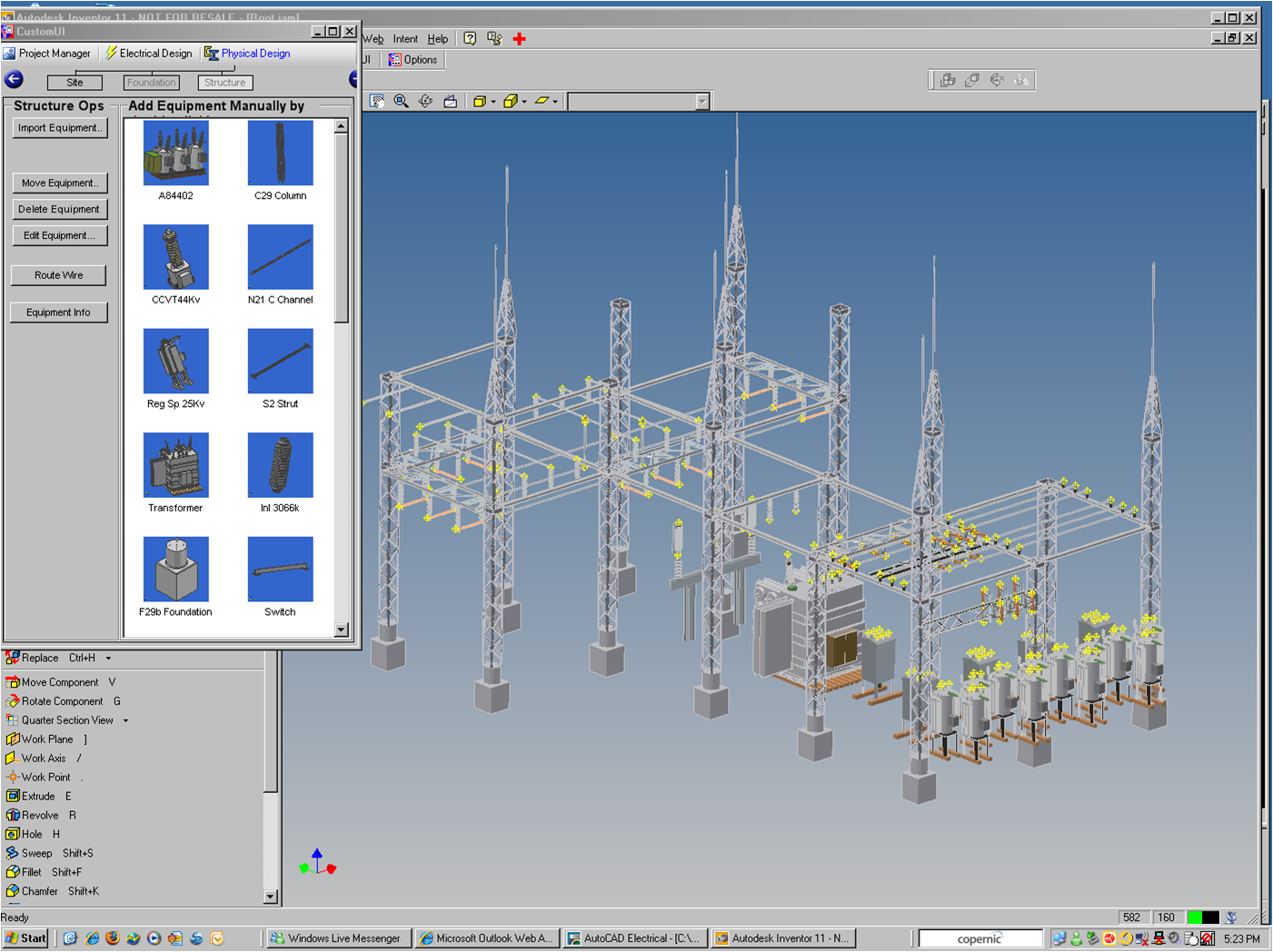 The challenge that utilities are facing is how to attract and retain younger workers in what is becoming an increasingly competitive market place. What I am seeing is that 3D technology can help. The net generation is conversant with communications, media, and digital technologies and in particular have been brought up with gaming technology, PSPs, XBoxes, and Wiis. Many modern 3D design applications, which use the same 3D visualization tools that were developed for the gaming industry, provide an environment that is much more familiar and stimulating for the millennial generation, who may perceive traditional 2D design as something left over from the dark ages. In the last few months I have come across several utilities who are finding that for this reason 3D engineering design technology can contribute to attracting and retaining younger workers.

Be the first to comment