
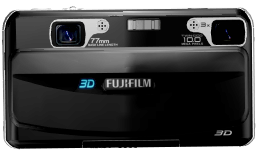
Late last year I acquired a Fujifilm Finepix Real 3D W1 camera which I think is unique in the world in incorporating two lenses and two CCDs in one camera that allows you to take two images at the same time with approximately the same separation between the lenses as between your eyes. The camera also has a viewer that uses a unique system to allow you to view 3D images with just the naked eye.
To view 3D stereoscopic imagery on other devices, you can use anaglyph glasses (red cyan), LCD shutter glasses, or other techniques. The stereoscopic images captured by the camera are combined in a relatively new file format .MPO. On a PC two examples of viewers that can read .MPO format 3D files and display them for either anaglyph or LCD shutter viewing are Nvidia’s 3D Vision Photo Viewer and Stereoscopic Player.
 I find anaglyph glasses painfully limiting from a visual quality perspective and decided to use Nvidia’s 3D Vision shutter glasses. Nvidia 3D Vision requires a fast CPU, a 3D capable Nvidia graphics card, a 120 Hz or faster monitor, and Nvidia’s IR emitter and shutter glasses. I built a computer with an AMD quad core CPU (Biostar MCP6PB M2+ motherboard and AMD Phenom X4 9650 quad core processor), an Nvidia GTS250 graphics card (ASUS ENGTS250), 4GB DDR2 DRAM, a 1 TB SATA hard drive, an ACER GD235HZ LCD monitor, the Nvidia 3D Vision Kit, and Windows 7 64-bit. This configuration generates a lot of heat so I added a cooler on the CPU, the ASUS graphics card includes its own fan, the power supply has a fan, and I have another fan to circulate air through the case. This configuration allows you to not only view 3D still imagery with the shutter glasses, but also 3D videos and movies using the Stereoscopic Player or Nvidia’s 3D Vision Video Player.
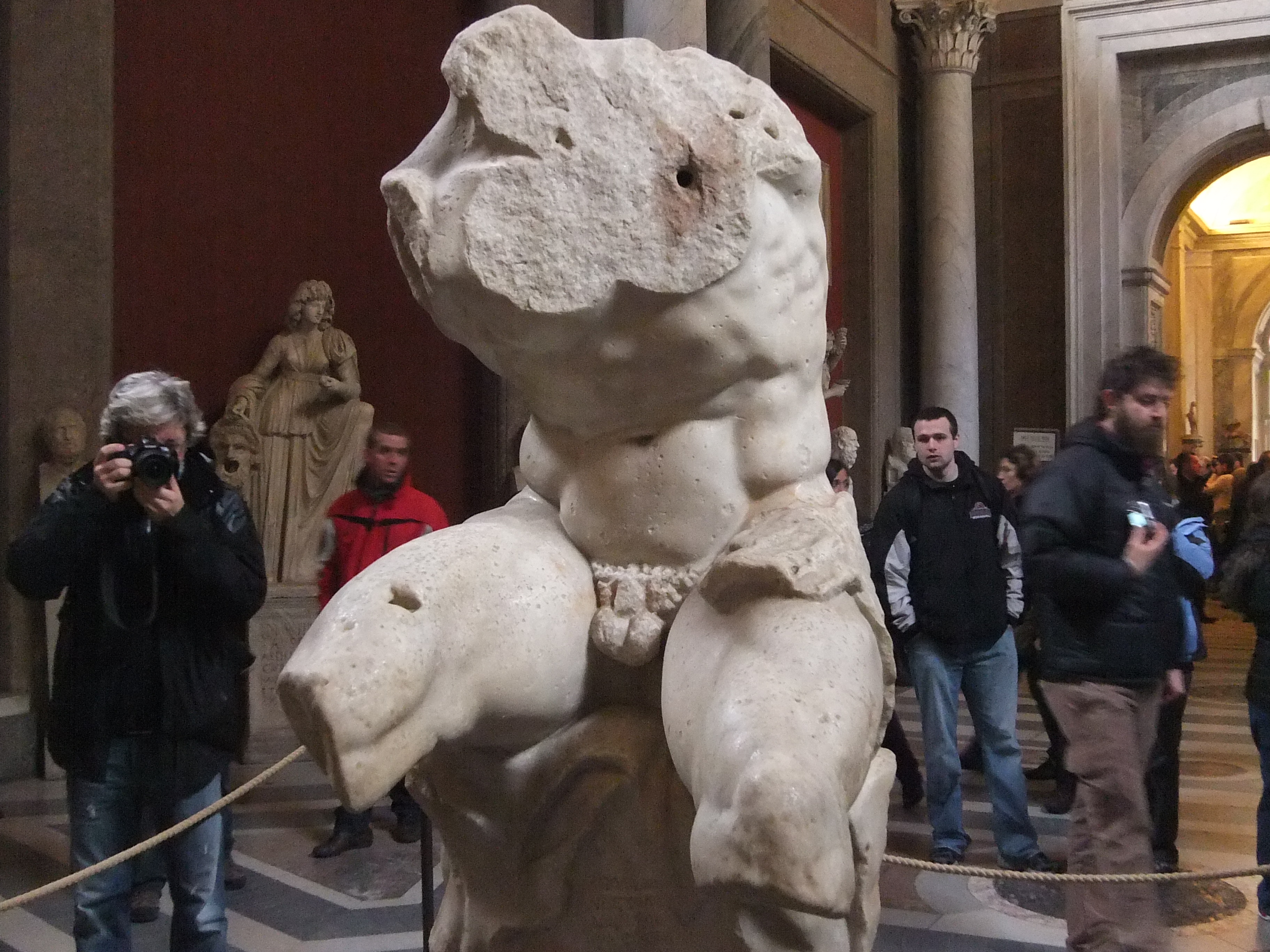
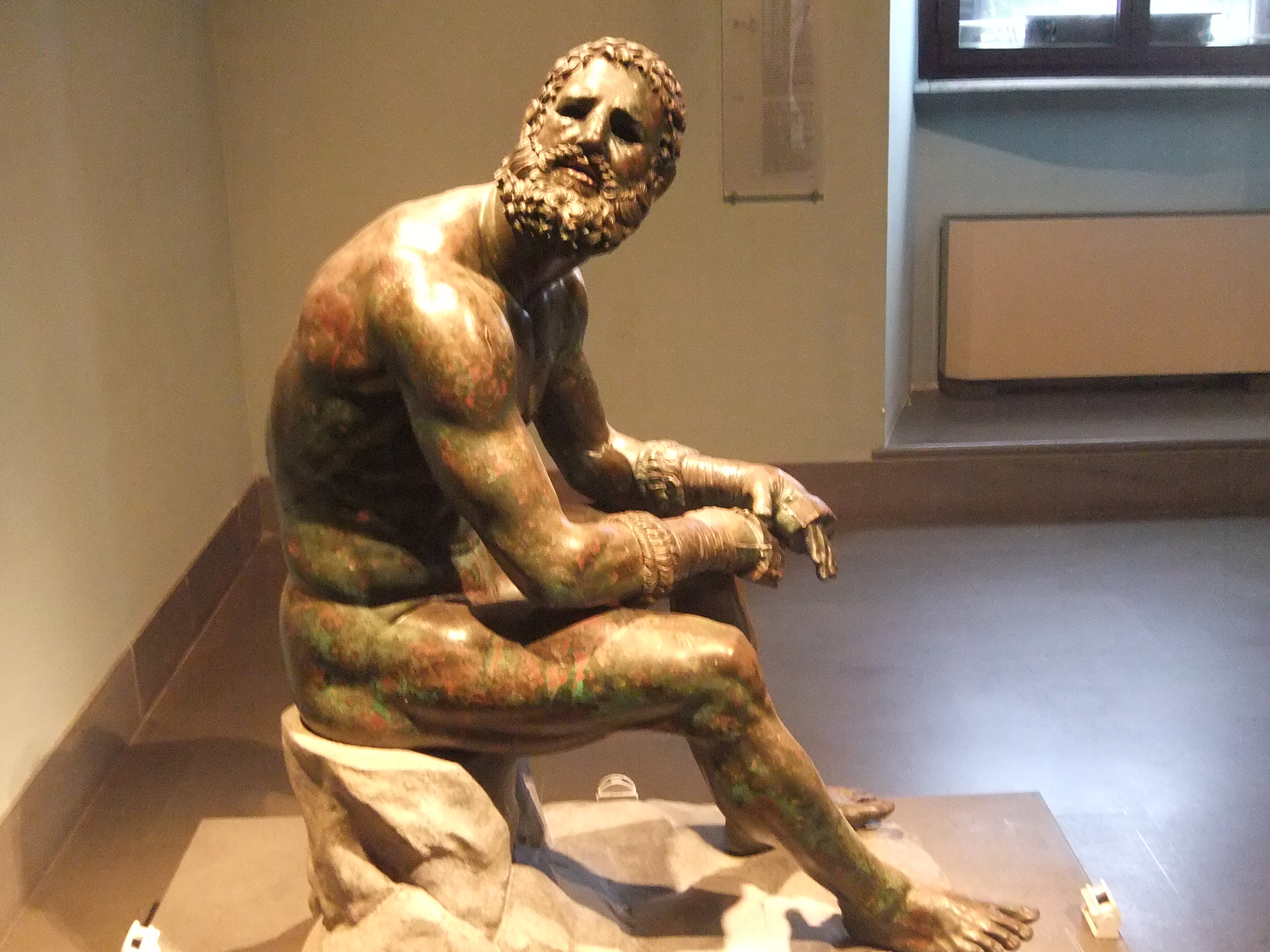 I bought this camera before spending Christmas in Rome and so was able to take many stereoscopic pictures in Rome with the 3D camera (One of the tremendous advantages of Rome is that almost all museums, churches, and other sites allow cameras.) The 3D stereoscopic effect adds an immediacy that makes the images simply stunning. Looking at the 3D images with the shutter glasses, you feel you are in the room at the Vatican Museum looking at the Belvedere Torso or at the Museo Nazionale Romano in the Palazzo Massimo alla Terme looking at The Boxer. (You won’t be able to see the 3D stereoscopic effect in the images I have attached here, they are just 2D JPEGs.) I highly recommend you give this camera a try. Together with shutter glasses it provides an entirely new visual experience.

Be the first to comment