
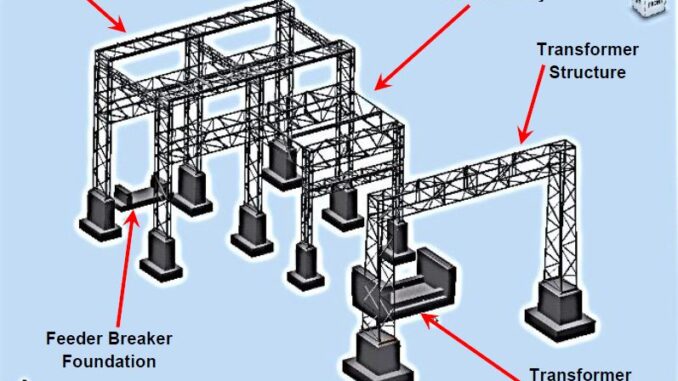
I have blogged previously about automating substation design at Duke Energy, now the largest electric utility in the U.S. Duke estimated that their approach increased the producitivity of their substation designers by 50%, which in these days where utilities are facing a shrinking workforce is an important improvment, especially given the cirtical importance of automating substations to support smart grid initiatives.
I have also blogged about Nashville Electric Service(NES), which has about 359,000 customers. Their substation design team is comprised of three designers and three engineers, who are responsible for 68 primary, 30 customer, and 120 distribution substations. They perform between 15 and 20 station upgrades every year and build a new station every two to three years. Last year NES was one of six power utilities awarded the American Public Power Association’s (APPA) Reliable Public Power Providers (RP3) Diamond Status, the industry’s highest award for reliability and safety.
NES is facing the same challenges that other utilities are. One of the biggest issues is an aging work force. In the next 5 years NES could lose half of its workers in the Substation Design Section and the other half has only 5 to 10 years’ experience. 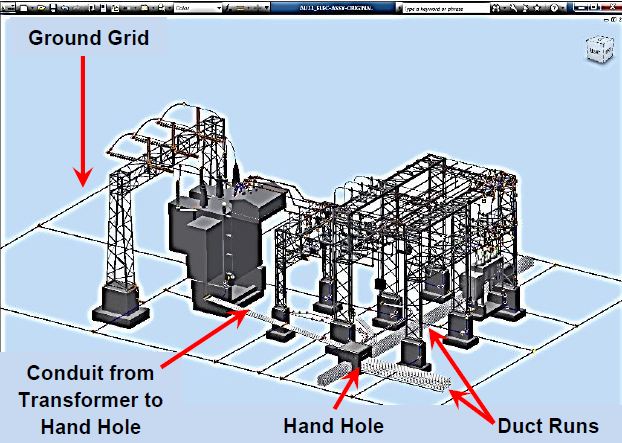 Other important issues are aging infrastructure, growing customer expectations, and most recently aesthetics. NES customers have made it clear that they want reliable service, but they don’t want to see substation structures or equipment in their backyard (NIMBY).
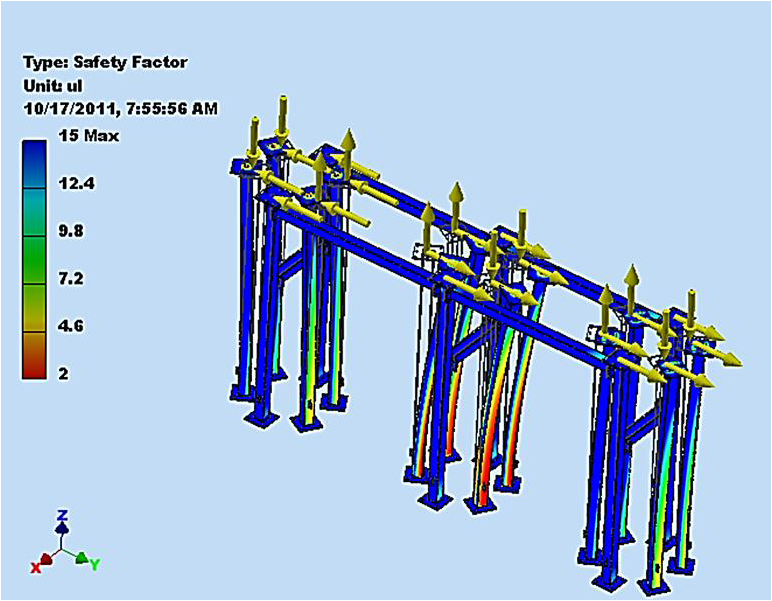
This year on Autodesk University Virtual, Terri Humel and Joe Weaver descibe how NES cut its substation design time in half by using model-based design, often referred to as BIM, to design the physical layout of high-voltage electric substations to create intelligent 3D digital prototypes, generate construction drawings and bills of materials (BOM), and visualize designs for customer review. They also discuss how to integrate electrical design with structural design. They show how to check electrical clearances and structural integrity for their designs. 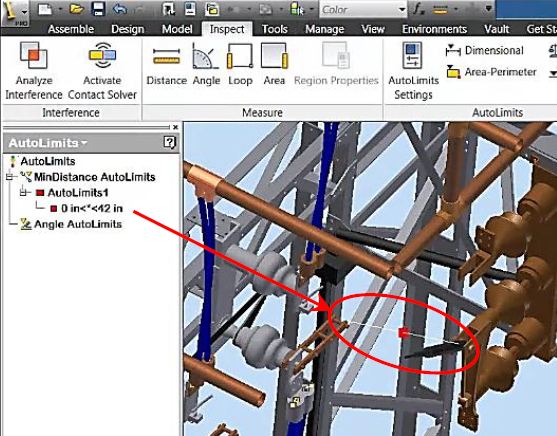 By automating the process of upgrading aging structures and equipment, NES was able to increase the quality of their designs as well as save time.
Creating a substation design model
Terri and Joe present a detailed walkthough of the process of migrating existing CAD blocks to their model-based design environment, placing foundations, columns and trusses, composing electrical sub-assemblies, generating cabling from electrical designs, adding conduits and grounding, checking electrical clearances and structural Integrity, and finally generating construction drawings and bill of materials (BOM).
Time study for model creation
 NES recognized that they had a unique opportunity to compare the time required to create a substation design using 3D CAD to the time it took in a model-based design environment. In 2005 NES upgraded the main and transfer 69kV bus at their Watkins Park substation. The original drawings for the electrical layout were only available as paper drawings. NES found that it took six weeks to create the 3D CAD design. In 2009 NES upgraded the 69kV breakers in the same 69kV structure. Using a model-based design tool, NES found that it took 3 weeks, or half the time, to create the model-based design.
Be the first to comment