
One of the things I have blogged about frequently is convergence or breaking down the barriers between technologies. Convergence makes it possible to take a much more holistic view of the world, and enables different disciplines like engineers, GIS professionals and gamers to resolve problems that are difficult without multi-disciplinary collaboration. The more I have learned about what has happened and is happening at Fukushima, the more this seems like a classic example where combining engineering, geospatial, and 3d visualization and simulation would help the designers of these plants design for extraordinary events like a combined magnitude 9 earthquake and a 7.3 meter and higher tsunami.
From what I have seen about what happened at Fukushima the two biggest problems were that cooling systems failed and electric power failed. The emergency cooling systems (ECCS) failed at all the operating reactors except Unit 3 at Daini. Off-site electric power failed at Daiishi when the earthquake happened, and the backup generators failed when the 7.3 m and higher tsunami struck. Being able to simulate the effect of flooding is relatively easy to do with geospatial software, and if design engineers have access to flood simulation sofware during the design phase, they can decide to raise the level of the backup generators and electric systems, to reduce the risk of what has just happened. But 40 years ago when the Daiichi plant was designed, AutoCAD was not even yet available and the drafting would ha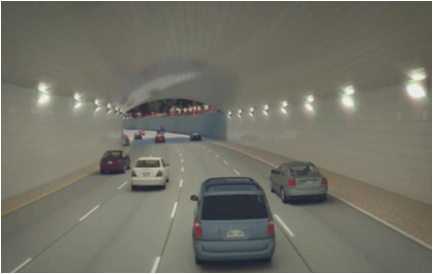
 ve been done with pencil and paper, and doing this kind of engineering-based simulation was not even in people’s imagination.
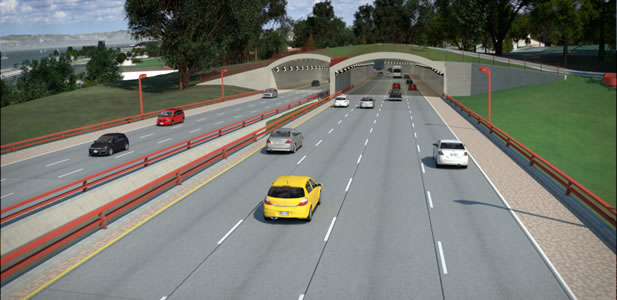
Nowadays, convergence is well underway and changing civil engineering. An example is the Doyle Drive approach to the Golden Gate bridge. If you want, you can drive the new Doyle Drive approach to the Golden Gate Bridge right now, even though the project won’t open until 2014. If you are a gamer, you will feel totally at home in the simulated driving environment, because gaming is where the 3D visualization part of the software is derived from. For the Doyle Drive project engineers used the same model-based 3D simulation software to help design the new parkway, to do such mundane tasks as determining where to put reinforcing steel bars in support columns and how to make an electrical substation as unobtrusive as possible. It helped the different design teams resolve conflicts during the design phase (clash detection). It’s been used to simulate construction sequencing (4D and 5D). It’s also been used to communicate to the public and government officials what the final project will look like.
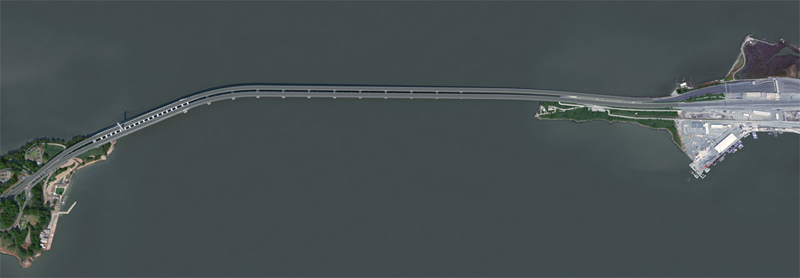 This is San Francisco, which is also in a seismically active part of the world like Japan. The new parkway will replace the seismically fragile Doyle Drive, which opened in 1937 with the Golden Gate Bridge. One of the important motivations for the new highway and a critical element in the design is to ensure that the new highway can withstand major seismic events. Another example where a similar model-based 3D simulation approach to design is being used is the eastern span replacement for the Oakland Bay bridge to ensure that the collapse of a section that happened in the 1989 earthquake doesn’t happen again.
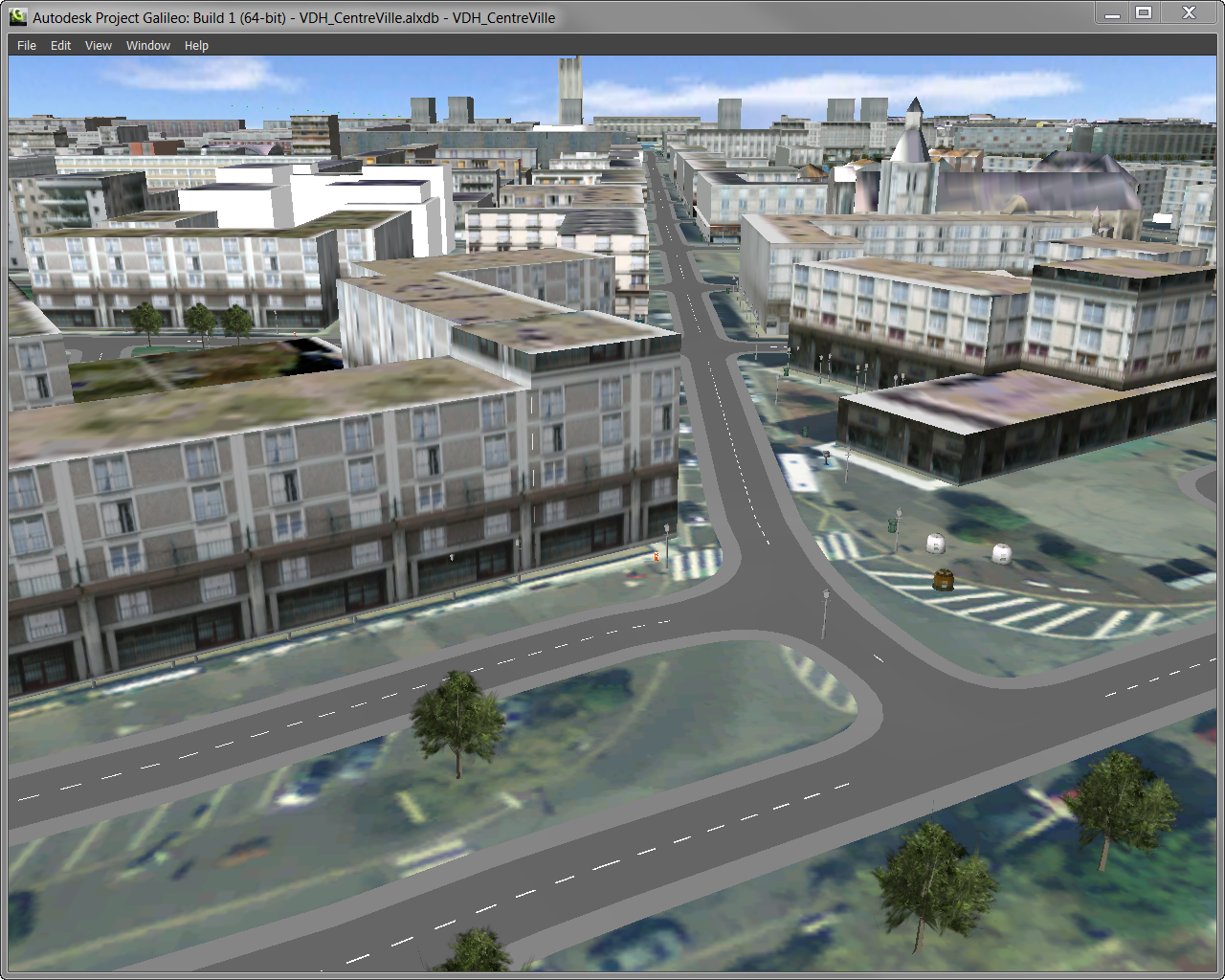 I imagine that the engineers who designed the Fukushima plants would be very surprised by how far we have progressed in engineering design. These days we can even simulate entire cities digitally. But I think what they would especially appreciate is the ability to simulate how a plant is going to behave under different conditions, including extraordinary events like that of March 11.

Be the first to comment