
In the US there are 9,200 electric generating units with
more than 1,000,000 megawatts of generating capacity, but most of them were
built in the 1960s or earlier. There are
over 12,000 sub-stations and the average age of substation transformers is over
40 years, beyond their expected life span. There are more than 300,000 miles of
transmission lines in the US and since 1982, peak demand for electricity has
exceeded transmission growth by almost 25% every year, but incredibly since
2000 only 668 miles of new interstate transmission lines have been built. The reliability of the grid is decreasing
while our dependence on it is increasing.
For example in 2008 chip
technologies consumed 40% of US power production and this is expected to
increase to 60% in 2015. Outages and
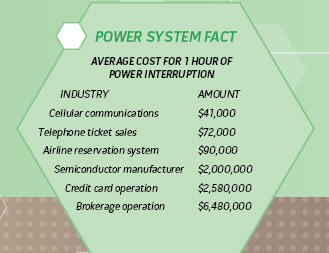
interruptions cost Americans at least $150 billion annually. As an example, a one hour outage can cost a brokerage operation over $6 million. The risks associated with our current,
increasingly fragile power grid and the impact of global climate change require
us to invest in a more resilient, efficient, and green smart grid.
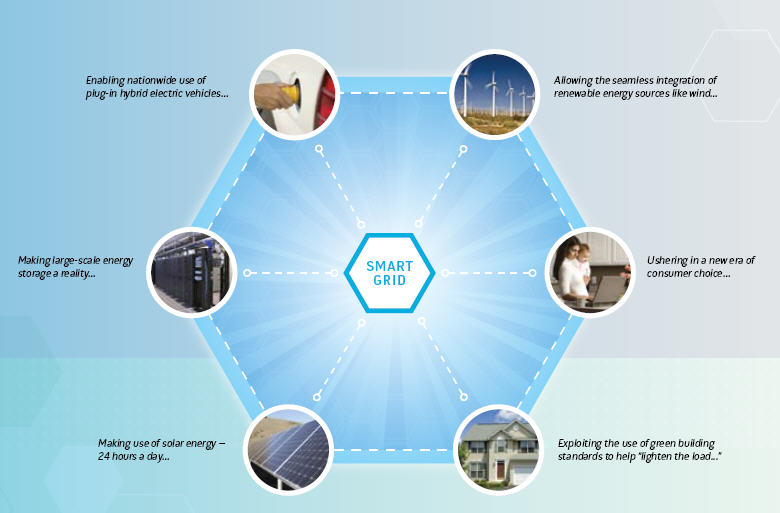 A smart grid is a much more complicated animal than our current
grid. It involves price signals to
consumers, distributed generation, automated load management, a new
bidirectional communications network, storage, redundancy, and
self-healing. Managing
and operating the new smart grid is going to require a reliable digital model of the grid, based on accurate, up to date engineering
information. My experience with utilities and telecommunications firms is that the reliability of current network records/documentation databases is in
the range of 40 to 70%. As I have blogged several times over the past several years (here, here, here and here) the most common causes
of poor data quality are as-built backlogs, which typically range from months to years,
and restricted information flow between the records department and operations/field
staff, especially either no or severely limited flow of network facilities information from the field back to the records/network documentation department. The impacts of poor data quality are decreased productivity in operations, time consuming and expensive reporting, longer outages, an unhappy regulator and dissatisfied customers.
Around the world regulators are
becoming increasingly aware of the importance of data quality as we migrate our
power networks to a smart grid architecture. I was in Brazil recently and I learned that the national power utility regulator ANEEL has
promulgated guidelines that require power utility facilities database to
achieve 95% accuracy by 2010. To put
teeth in these guidelines, audits will be carried out periodically and based on
the results power utilities would face fines or see impacts to their rate structure. In Brazil this is a compelling event that
will require power utilities to invest in technology to optimize business
processes for data quality in order to achieve the goal of 95% reliability of
their digital network data. This regulation will put Brazil in a position to have one of the most reliable digital models of its network infrastructure in the world and provide the basis for a reliable digital model which is a prerequisite for a Brazilian smart grid. I understand that the Brazilian water regulator ANA has undertaken a similar initiative with respect to the quality of digital models of water utilities.
Many people believe
that it is simply a matter of time before regulators in other countries around
the world follow the Brazilian example and require power utilities and other utilities and telcos to achieve
the same or higher standard of data quality in their network facilities databases.

Be the first to comment