
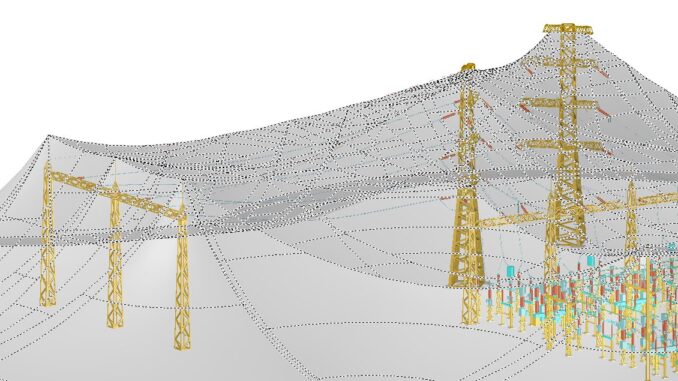
I blogged previously about entegra, a company based in Germany that provides substation design solutions. Entegra’s substation design application is called primtech which has been optimized for designing large substations. Primtech runs on an AutoCAD and Oracle or SQL Server database platform. It includes an extensible library of intelligent 3D objects such as power switches, transformers, isolators, insulators, chains, high-voltage cables, high-voltage pipes, foundations, steel structures, and terminals. primtech now includes lightning protection design.
Lightning protection for substations
Without surge protection and shielding substations are susceptible to lightnig strikes which can cause insulation flashovers, damage and possible failure of major equipment, and even a substation outage. Direct stroke shielding and surge arresters can be used to minimize the risk of equipment damage.
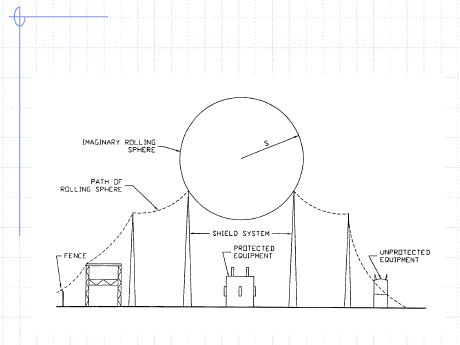 Various design approaches for shielding, comprised of rods and wires as lightning arresters, have been used including traditional empirical design and more recently electrogeometric models. The most widely used of the latter is the so-called rolling sphere method developed in 1977 for shielding buildings and adapted for substations.
The algorithms that primtech supports for lightning protection design include the rolling-sphere method (derived from IEC 62305-1 Standard) as well as the German DIN VDE 0101 Standard. primtech performs these calculations very efficiently which makes it possible to compare 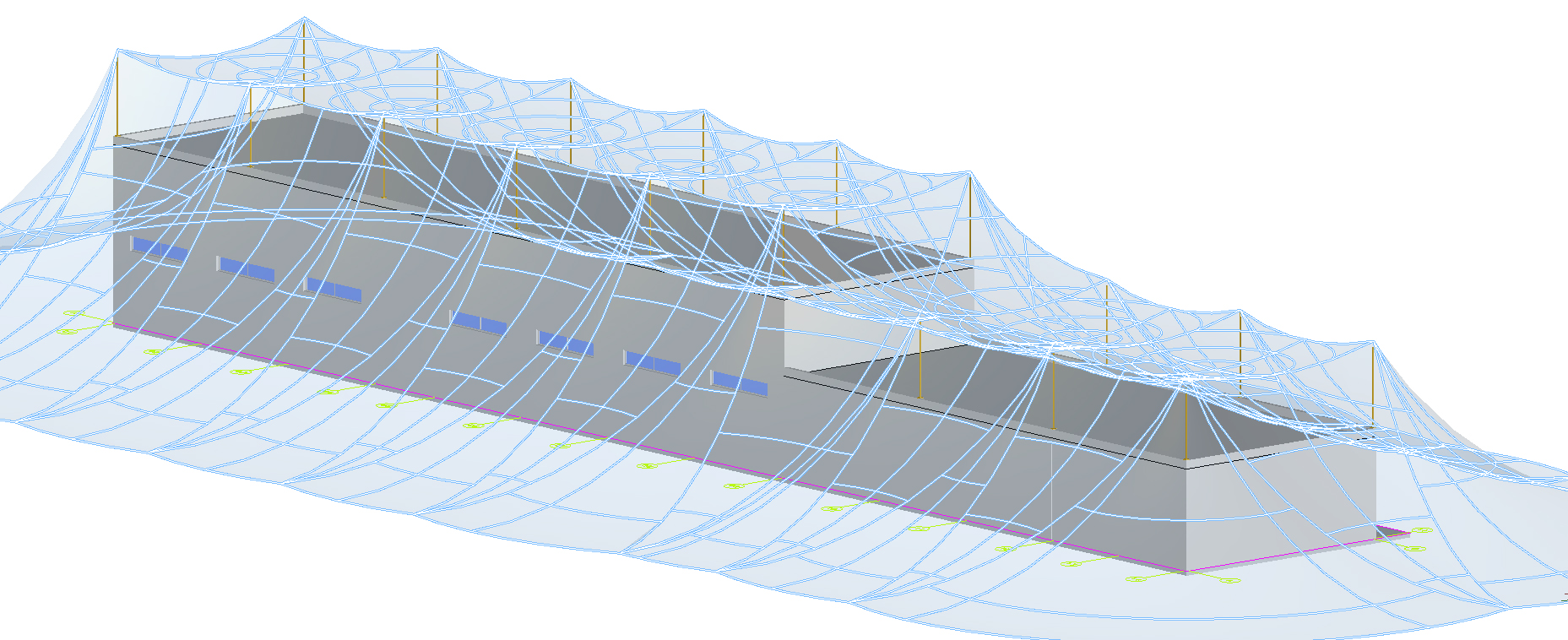 different lightning protection classes or to vary the dimensions of lightning arresters, for example, adjusting the height of rods.
The lightning protection design algorithms have been optimized for air insulated substations and like all the design capabilities of primtech, can be used for even the largest substations. The algorithms can also be used for substation buildings, including gas insulated substations.

Be the first to comment