
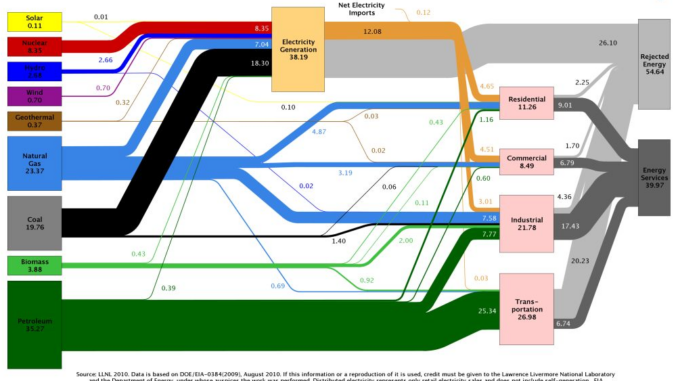
In the US historically electric power utilities have attempted to build enough capacity to meet peak load. For example, California uses 5% of its electric power generation capacity less than 50 hours a year. But peakers, as the power plants are called that are only fired up to meet peak load – typically on a hot July or August afternoon, are expensive. Power utilities can reduce their CAPEX and their OPEX, and customers’ power bills, by shaving peak load.
Demand Response
One of the ways that power companies in the US are increasingly turning to is demand response (DR). DR is an agreement between the power utility and a customer, such as a residential, industrial, or commercial site, which allows the utility to shut down or otherwise reduce the power demand from some of the facilities or equipment at the customer’s site. It can be a manual process where the power utility contacts the customer and negotiates the shut down of some part of the customer’s power equipment, or increasingly the DR process is automated.
DR can be a win-win-win for everyone. The customer reduces his/her electric power bills, the utility doesn’t have to fire up a peaker or build new power plants, which benefits the utility, the customer, and the environment. Recently FERC has mandated that a negawatt should be compensated at the same rate as a megawatt. In other words, customers should be paid the same for reducing load by a megawatt as a generator is paid for generating a megawatt. Utilities have found that industry has generally been responsive to DR programs, but have not found the same level of interest among owners of commercial buildings. Commercial buildings are responsible for about 20% of total energy consumption in the US and about the same proportion of emissions.
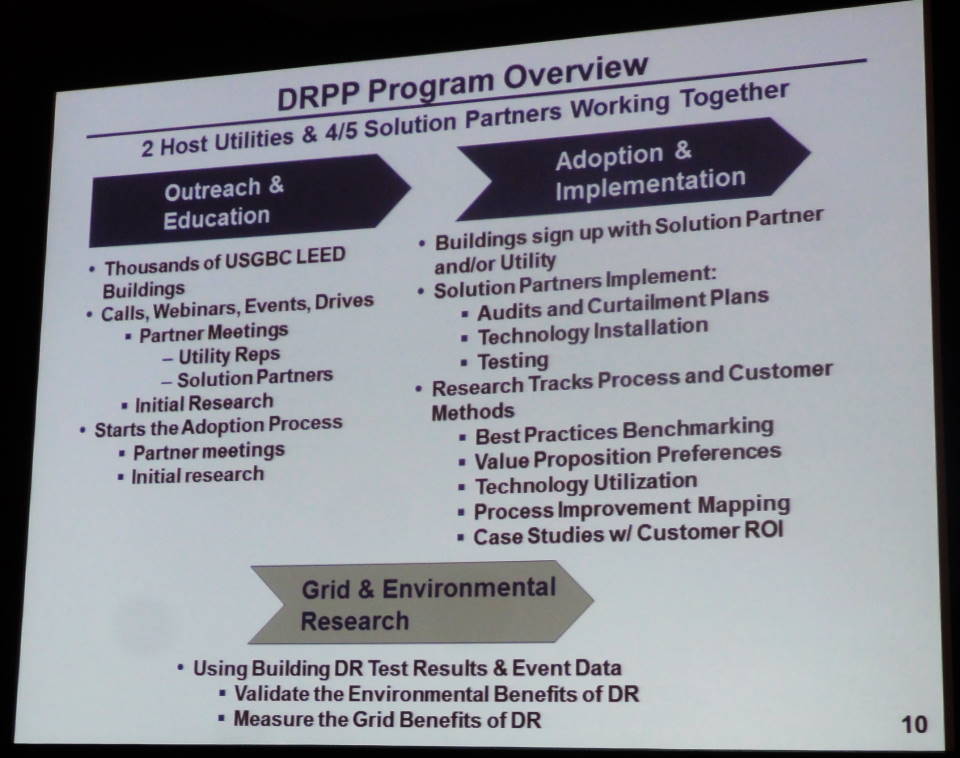 At Distributech, Brendan Owens of the US Green Building Council (USGBC) and Peter Wiegand of Skipping Stone outlined an initiative to increae awareness among owners of commercial buildings of the benefits of DR. The USGBC is responsible for the widely used LEED program for certifiying buildings as green according to a number of criteria. Onwers who are interested in certifying their buildings according to the LEED scorecard can get a LEED DR credit if they participate in a DR program. A directory of commercial building owners who are participating in DR programs has been compiled.
The USGBC and Skipping Stone and other partners including Lawrence Berkeley National Labs and the Environment Defence Fund have started the Demand Response Partnership Program
(DRRP) to educate owners of commercial buildings about the benefits of DR and to encourage greater adoption of DR by this sector. They have announced that Southern California Edison has agreed to support the effort.

Be the first to comment