
IEA projects 3.6°C to 5.3°C surface temperature increase with current policies

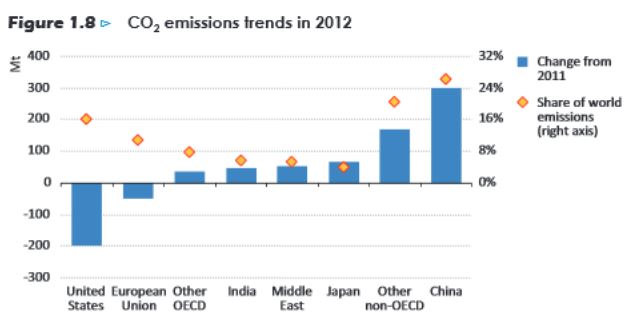
According to a recent IEA report Redrawing the Energy-Climate Map, global energy-related CO2 emissions increased by 1.4% to reach a historic high of 31.6 gigatonnes (Gt) in 2012.

China

China made the largest contribution to the increase in global CO2 emissions.  But the growth in its emissions was the lowest over the past decade.  The slowing of emissions growth was the result of the deployment of renewables and a significant improvement in the energy intensity of the Chinese economy.

United States

In the United States, the switch from coal to natural gas in power generation contributed to reducing emissions by 200 million tonnes (Mt), about the level of the mid-1990s.

Europe

Primarily because of Germany’s decision to shut down its nuclear power plants, coal use increased in Europe in 2012.  Inspite of this CO2 emissions in Europe declined by 50 Mt as a result of  growth in renewables, a cap on emissions from the industry and power sectors, and economic contraction,.

Japan

Emissions in Japan increased by 70 Mt, as efforts to improve energy efficiency did not fully offset the
use of fossil fuels to compensate for a reduction in nuclear power.
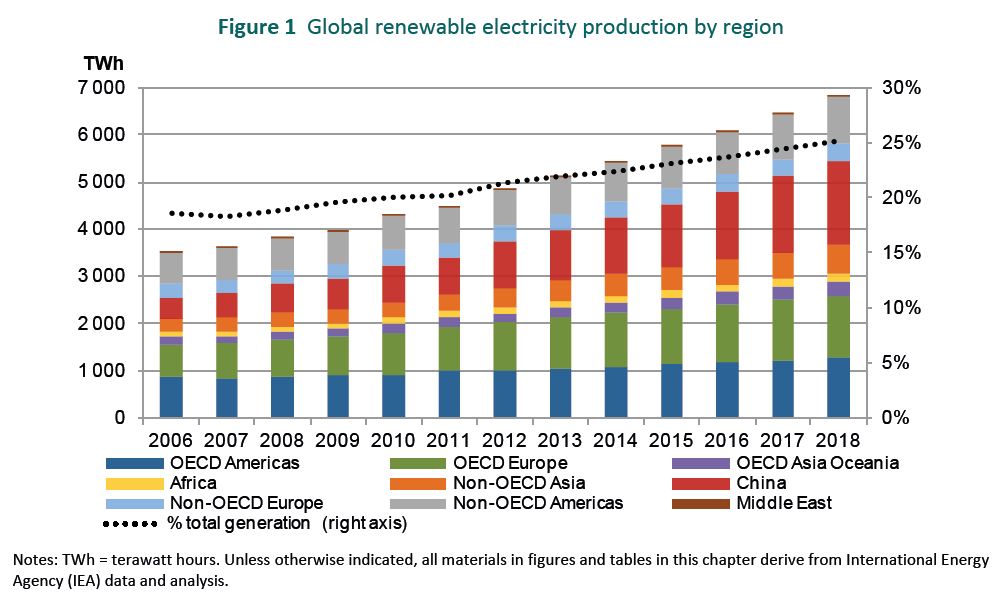

Renewable electricity production by region IEARenewables

The IEA is projecting that globally total electric power generation from renewables will exceed that from natural gas by 2016.

Climate change

Based on current policies, the IEA projects that the long-term average temperature increase is likely to be between 3.6°C and 5.3°C compared with pre-industrial levels, with most of the increase occurring this century.

The IEA projects that with current policies global energy-related greenhouse-gas emissions in 2020 will be nearly 4 Gt CO2-equivalent (CO2-eq) higher than the target for limiting Earth’s surface temperature increase to 2°C.
Geoff Zeiss

Geoff Zeiss

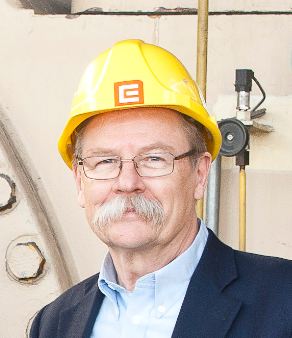
Geoff Zeiss has more than 20 years experience in the geospatial software industry and 15 years experience developing enterprise geospatial solutions for the utilities, communications, and public works industries. His particular interests include the convergence of BIM, CAD, geospatial, and 3D. In recognition of his efforts to evangelize geospatial in vertical industries such as utilities and construction, Geoff received the Geospatial Ambassador Award at Geospatial World Forum 2014. Currently Geoff is Principal at Between the Poles, a thought leadership consulting firm. From 2001 to 2012 Geoff was Director of Utility Industry Program at Autodesk Inc, where he was responsible for thought leadership for the utility industry program. From 1999 to 2001 he was Director of Enterprise Software Development at Autodesk. He received one of ten annual global technology awards in 2004 from Oracle Corporation for technical innovation and leadership in the use of Oracle. Prior to Autodesk Geoff was Director of Product Development at VISION* Solutions. VISION* Solutions is credited with pioneering relational spatial data management, CAD/GIS integration, and long transactions (data versioning) in the utility, communications, and public works industries. Geoff is a frequent speaker at geospatial and utility events around the world including Geospatial World Forum, Where 2.0, MundoGeo Connect (Brazil), Middle East Spatial Geospatial Forum, India Geospatial Forum, Location Intelligence, Asia Geospatial Forum, and GITA events in US, Japan and Australia. Geoff received Speaker Excellence Awards at GITA 2007-2009.

View article by Geoff Zeiss

Be the first to comment

Leave a Reply

Your email address will not be published.


*