
We are not on track to constrain global temperature rise to 2°C let alone 1.5°C. Therefore we need some innovative technologies to get us back on track. At the Geography2050: Powering our Future Planet conference at Columbia University in New York, several presentations described innovative, potentially disruptive technologies that could dramatically change how electric power is generated and transmitted.
Wireless power transmission
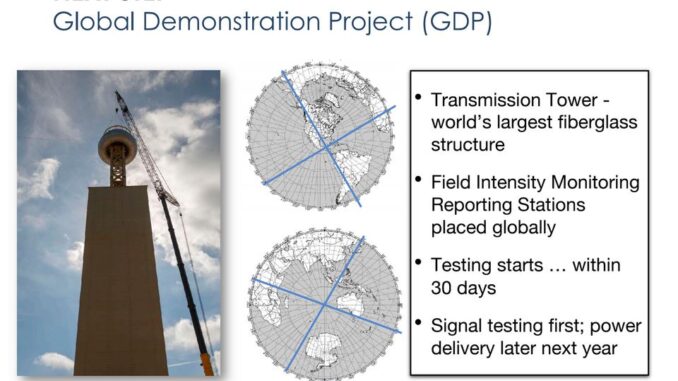
General Rick Deveraux of Viziv Technologies described a way of transmitting electric power wirelessly using a technology called a Zenneck surface wave that orovides a direct wireless connection from a generator to a load. It supports much higher field strengths than conventional Hertzian waves and follows the Earth’s curvature. Viziv is currently working in a global demonstration project that involves building a fiberglass transmission tower and field intensity monitoring stations around the globe. An advantage of this technology is that it could deliver power to people who are currently off grid. Testing of this configuration starts within 30 days and actual power delivery next year.
 On demand emissionless power generation
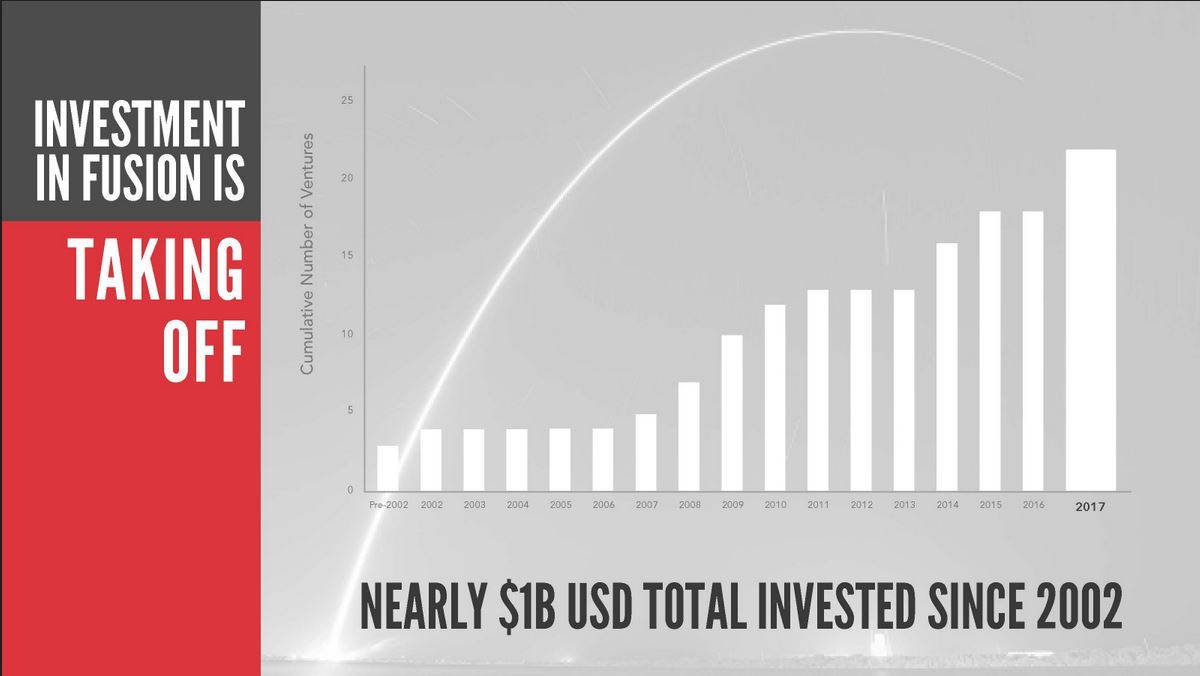
Christofer Mowry of General Fusion, described how nuclear fusion can provide energy dense, low environmental impact, manufacturable, and dispatchable power generation. In other words a fusion installation requires very little land and can be placed near the sources of load avoiding long haul transmission lines. There are no emissions and very little waste. It does not require fuels that are constrained by supply like fission does. It can supply large volumes of power on demand. The amount of investment in fusion has increased dramatically since about 2007.
 Cell phones not requiring recharging
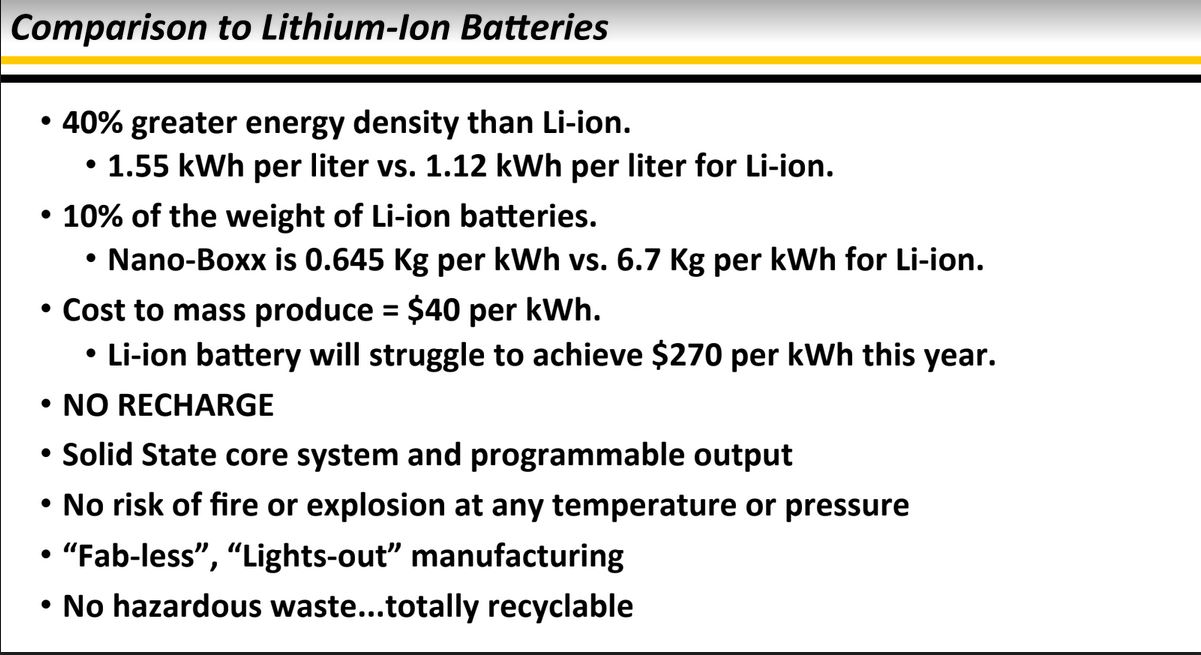
Frank Prautzsch of Velocity Technology Partners described what is potentially a disruptive technology that could affect everyone carrying a cell phone. Thermionic energy conversion (TEC) provides a way of generating power from ambient thermal energy using nano technology. Developed by Birmingham Technologies the Nano-Boxx consists of two metal plates composed of different metals that are placed less than 10 nanometers apart with a nanofluid in between. An electric current is generated when electrons from one plate vaporize and collect on the other plate. The device that was shown was the size of a postage stamp. By stacking them the device can scale from milliwatts to megawatts. 8 to 9 of these will power a cell phone, 800-900 a satellite. It can produce power for about eleven years without charging. To date it has been tested by using it to power an LG Nexus cell phone for the past few years. It is cheaper to produce than a lithium ion battery, has 40% more energy density, and has no emissions.
 Powering the world for a million years
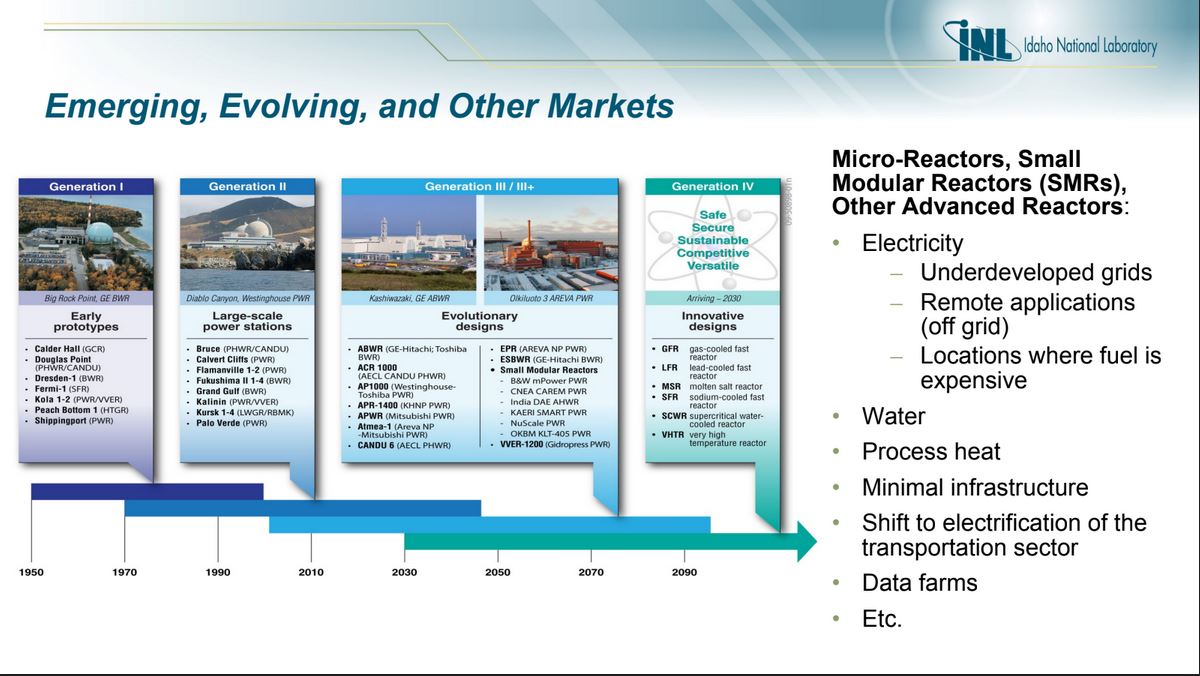
Kevan Weaver of the Idaho National Laboratory outlined the results of their calculations that advanced reactors would enable depleted uranium stockpiles and known reserves of uranium to supply 80% of the world’s electric power demand for about 2000 years with no carbon emissions. If you add the uranium in the oceans there is enough to provide a source of power for a million years. China and India are investing heavily in fission power generation. Micro-reactors and small modular reactors can provide safe power to data centers, remote locations that are off-grid, and locations where fossil and other fuels are expensive. The latest reactors (generation III and III+) are much safer than the first and second generation reactors like those at Fukushima, primarily because they do not require an external source of power to cool them in the case of an emergency shutdown.
Be the first to comment