
I have blogged in the past about some of the very few cities in the world where you can find all the underground infrastructure in a single database. The business benenfits of a common underground facility database are immense. First of all it can dramatically reduce the cost of locate services provided by each utility to service call-before-you-dig or one-call-center requests. It also reduces the risk of accidents during excavation, and it also simplies the process of connecting a new building to electric, water, wastewater, gas, and telecommunications services.
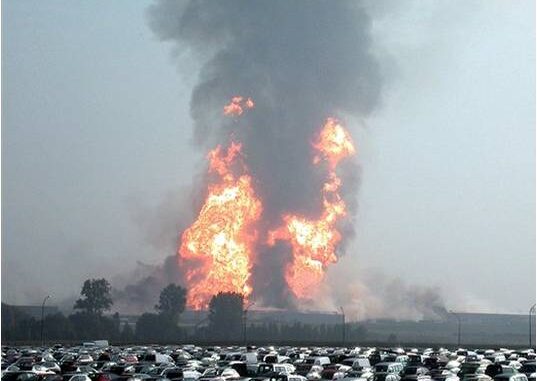
Several years ago I had the opportunity to give a presentation to members of the Prefeitura da Sao Paulo, and I mentioned the well known gas explosion in Belgium several years ago resulting from a routine excavation accidentally hitting a gas main. Someone in the group I was talking to piped up and said, oh yes we had two of those last week. This kind of thing, though fortunately most of the time without fatal consequences, happens with much greater frequency than most of us are aware.
At the Latin American Geospatial Forum this week in Rio de Janeiro this week, there have been two fascinating talks about how the cities of Sao Paulo and Rio de Janeiro are addressing this challenge.
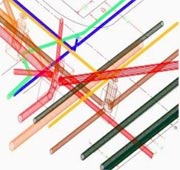 Sao Paulo
Antonia Ribeiro Guglielmi outlined a project of the Prefeitura da Cidade called GeoCONVIAS that is integrating data from 20 to 30 utilities which operate in the city of Sao Paulo, which with a population of 11 million is one of the World;s largest cities. According to Antonia, the city has 10,000 publicf works projects per month. The most important objectives of the ConVIAS project are to
- organize underground infrastructure
- prevent accidents (safe excavation)
- reduce inconvenience to the public
- reduce the costs of maintaining underground infrastucture
As in Calgary, utilities in Sao Paulo are not asked to provide detailed information about their underground facilities, just “a simple line” showing the location of their facilities.
Given the size of Sao Paulo, I am very impressed with what Sao Paulo is doing. This is an ambitious, but in my view an essential, project, and something I foresee every city is going to have to do as the pace of urbanization continues to accelerate.
Rio de Janeiro
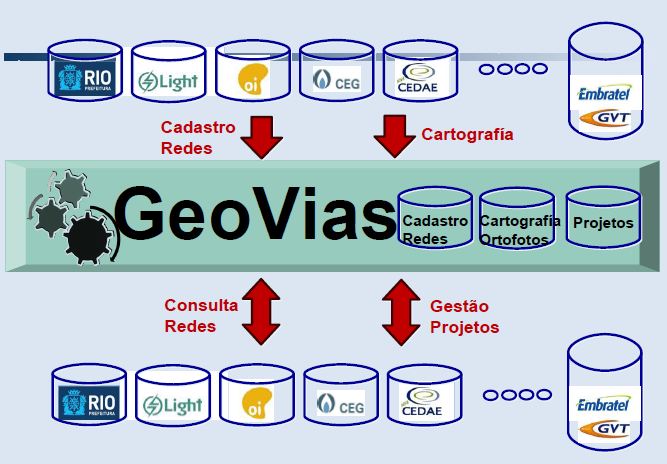 Luiz Roberto Arueira from the Prefeitura da Cidade do Rio de Janeiro described a similar project GeoVias funded by the government of the City of Rio de Janeiro and four utilties including
- CEG gasNatural fenosa – Companhia Distribuidora de Gás do Rio de Janeiro
- LIGHT – Serviços de Eletricidade
- OI – Telemar Norte Leste S/A
- CEDAE – Companhia Estadual de Águas e Esgotos
One of the immediate motivations for this project is “man hole explosions” apparently resulting from the close proximity of underground electrical and gas facilities in Rio. The objectives of the project in Rio are somewhat different from Sao Paulo, apparently because the network of underground facilities isn Rio is absolutely unique, certainly in Brazil, but maybe even in the world.
- Reduce risk of accidents
- Eliminate hazardous interaction between different networks, for example, electric power and gas
- Provide information about the location of underground networks for construction projects
It is hoped that the project will also speed up the process of reviewing construction permit applications, which currently can take a year to complete, and emergency repairs to underground infrastructure.
Given the uniqueness, complexity and hazards associated with the utility networks in Rio de Janiero this is an essential project to reduce the risk of accidents, but which I expect will have many other important benefits.
Be the first to comment