
I blogged previously about an interesting analysis of job creation by the “App Economy” has been conducted for TechNet by Dr.Michael Mandel of South Mountain Economics LLC. The Technet analysis suggests that there were 155,000 tech jobs in the App Economy as of December 2011 including developer and tech support jobs at both dedicated app developers and at large companies who create apps for them or for others. This implies that there are roughly 311,000 jobs in App Economy firms, including tech jobs, which require app-related skills, and the corresponding non-tech jobs. With spillover included, the total number of jobs created in the App Economy is estimated at 466,000 jobs since the iPhone was introduced in 2007.
There is an interesting article in the Washington Post that makes the case that this kind of transformation is going to happen to many manufacturing jobs. In the future the types of jobs that need to be filled will be different from the jobs that are being filled by workers in the emerging economies of the world. These new jobs in industries that we have not yet even conceived of will require fewer workers with very different skills. The one thing that is certain is that we will require a workforce with much different skills and education than what was required for the manufacturing jobs of the last 50 years. Malaysia is an example of a country that understands this better than most.
New materials, processes and integration
Carl Bass of Autodesk sees three key developments that will define these new manufacturing jobs: new materials, new processes, and complex integration of automated systems.
New types of materials such as carbon nanotubes, ceramic-matrix nanocomposites, and new carbon fibers are being used to create products that are stronger, lighter, more energy efficient and more durable. These materials require new manufacuring processes and more highly skilled employees to manage the more complex manufacturing processes.
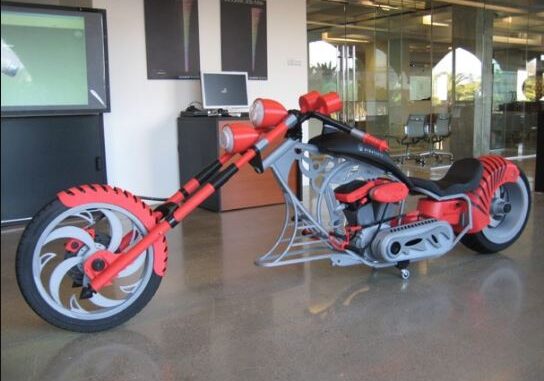
In conventional manufacturing, artifacts are produced by “subtractive” manufacturing processes using equipment such as lathes, drills, and milling machines that cut shapes from solid blocks of materials such as steel or wood. These processes result in a lot of waste material. In a new method called “additive manufacturing,” parts are produced like you would make a snow ball, building the object up by adding layers of material. The best example is 3D printing. The process doesn’t produce waste material in the way that “subtractive” manufacturing processes do. This new manufacturing environment will need 3D designers and operators who can operate and maintain sophisticated computer-based equipment.
Factories will have to become smarter in much the same way that the electric grid is becoming smarter and this means that we will need people will different skills. As in the electric power industry, there will be greater use of simulation to analyze how manufacturing systems respond to changes such as introducing a new material or changing a feature of a product. Manufacturing engineers will need to become more adept at dealing with virtual control systems, simulation and other such technologies.

Be the first to comment