
I’ve blogged previously about a project by the Los Angeles Community College District, the largest community college district in the U.S., create 3D BIM models
of all the buildings on the LACCD campuses. One of the most important
motivations for creating these models was that BIM models would
faciliate energy performance analyses of LACCD buildings.
Reducing energy usage in The Hague
At the Geospatial World Forum 2013
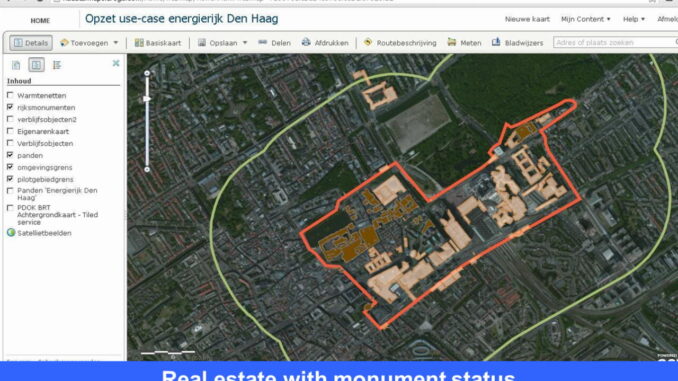
(GWF 2013) conference in Rotterdam Martinus Vranken and Jene van der Heide of the Dutch Kadasre described a project to model a square kilometer of downtown The Hague with the objective of reducing and stabilizing energy usage and costs for the entire area.
The Dutch Ministry of the Interior has initiated a joint project with the Municipal government of The Hague to reduce and stabiize energy usage and costs in downtown The Hague, including the use of renewable energy. The study area is roughly about a square kilometer of The Hague where the buildings are large and mostly owned by the National and Municipal governments. The Dutch Kadaster has been contracted to provide an information system to assist the Ministry of Interior in developing a business case.
The Kadaster has combined its own data with that from other government agencies
Kadaster
- Topography
- Ownership and building information
- Energy labels
- Underground grids electricity, gas and heat
- Monuments
Ministry of the Interior and City of The Hague
- Energy consumption
- Employees
- Surfaces suitable for solar panels
- 3D model
Province of South Holland
- Heat pump facilities
- Solar probability map
- Wind probability map
Ministry of Economic Affairs
- Geothermal facilities
- Permits for geothermal concessions
The Kadaster has assembled land registry information like ownership, monument status; building information such as year of completion, surface area, energy labels, energy indices; information on underground networks like heat networks, gas and electricity grids; together with government information on heat pump facilities, energy consumption of buildings, and available building facade area suited for solar panels. Combining this information provides a tool that the Ministry is using to develop the busness case for a new form of energy supply that is reliable, clean, and affordable.
The two main challenges have been to translate this information to fit the perspective of the Ministry of the Interior and structuring the information so that it can be reused for similar projects in the future.
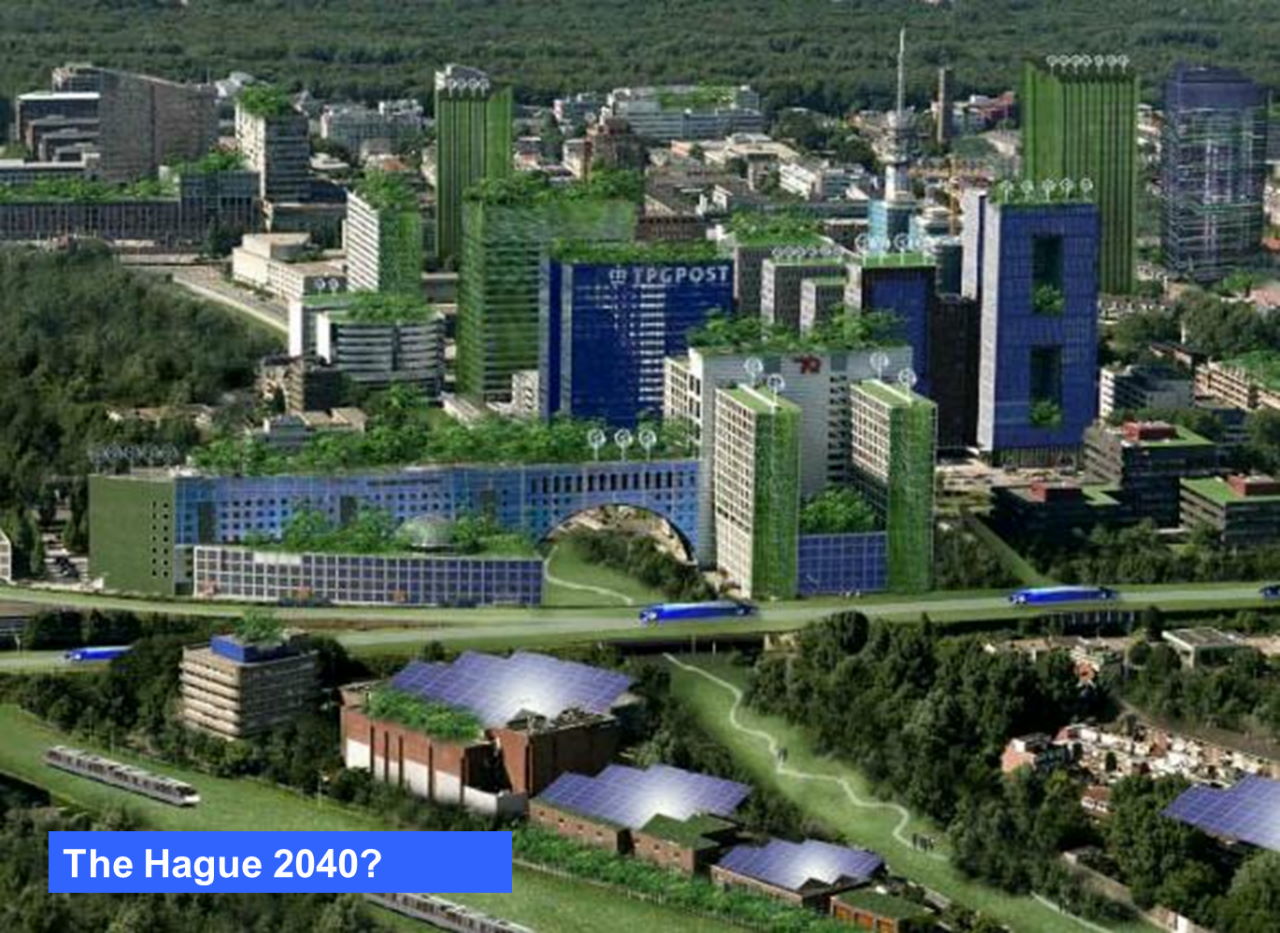 The next steps on the project are data collection and processing, defining business case, and tendering and then transition to the new energy supply.
The lessons learned so fare are interesting. First of all, visualization using a geospatial information platform has been vital in developing the business case. This approach has provided important Insight into the energy and heat exchange possibilities between buildings and enabled exploration of the possibilities of solar, wind and geothermal energy. The geospatial approach also provides a platform which the private sector can use as a foundation in preparing bids for the project.
There is a video about this project available here.

Be the first to comment