
Transforming Singapore’s construction industry: from paper drawings to smart cities
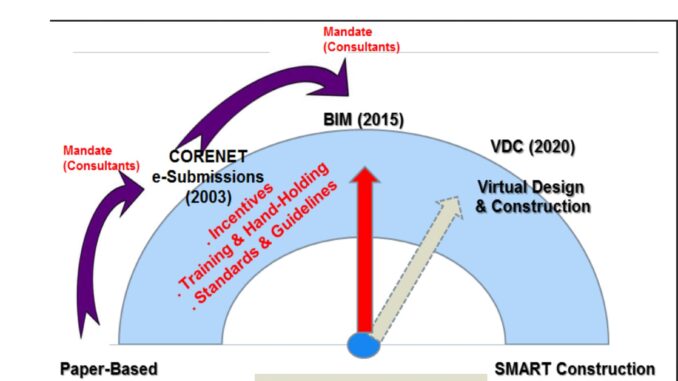
Singapore has a compelling vision of where it wants to be by 2030. Since about 2003 when it first introduced e-submissions, it has moved rapidly on two fronts; automating the building permitting process and improving construction productivity by transforming the construction industry.
Building permitting
Singapore’s goal is simple, to implement the fastest building permitting in the world. The Building and Construction Authority (BCA) led a multi-agency effort in 2007/2008 to impl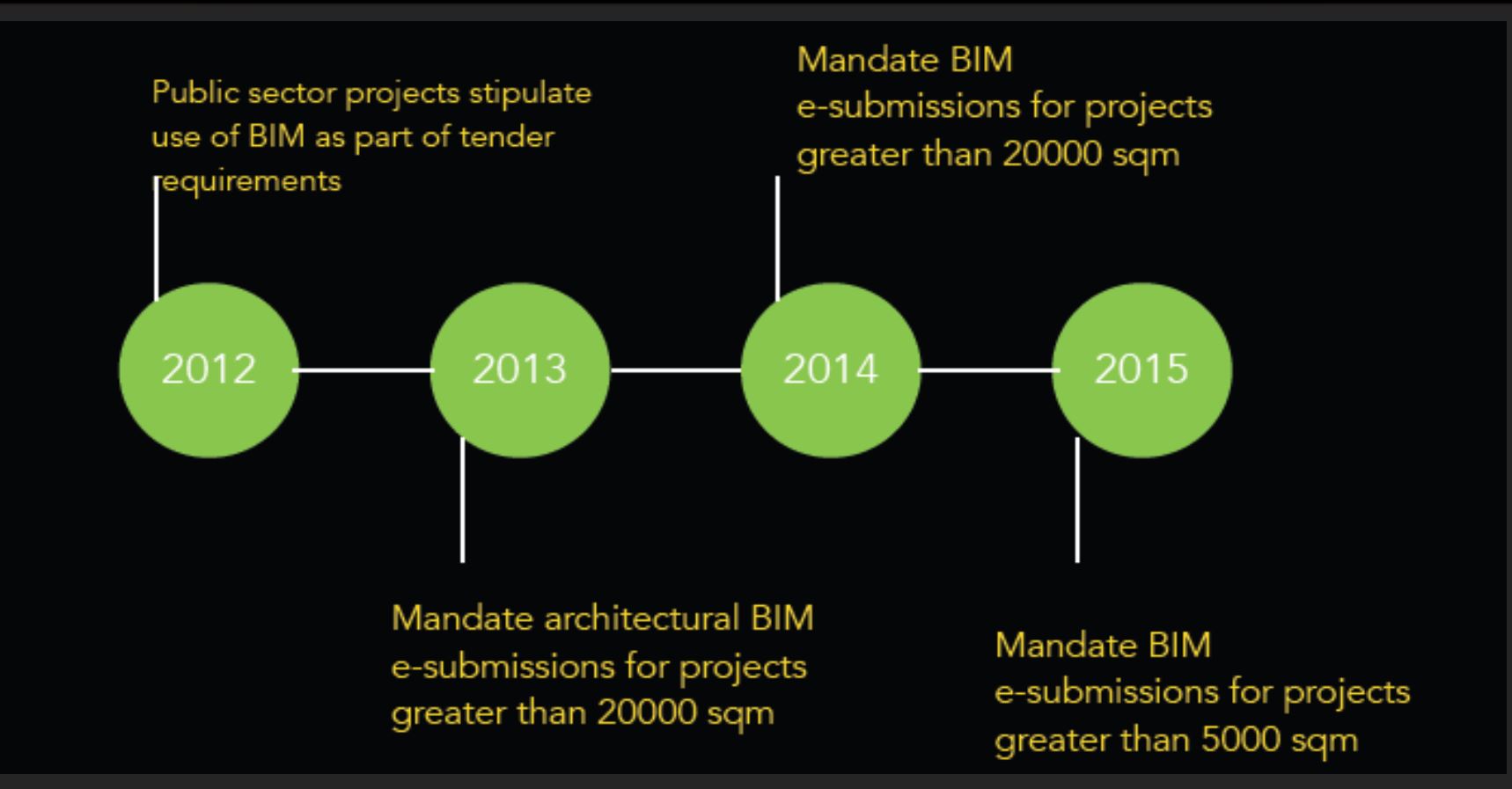 ement the world’s first BIM electronic submission (e-submission). The BIM e-submission system streamlines the process for regulatory submission. Project teams only need to submit one building model, which contains all of the information needed to meet the requirements of a regulatory agency. In 2010, nine regulatory agencies accepted architectural BIM 3D models for approval through e-submission. This was followed by the acceptance of mechanical, electrical and plumbing (MEP) and structural BIM models in 2011. In 2013 the Singapore government began mandating architectural BIM e-submissions for building projects greater than 20,000 square meters. In 2015 BM e-submissions will be required for all projects greater than 5,000 square meters.
Improving construction productivity
A related, major initiative of the government is to improve the construction industry’s productivity through the use of BIM by 20-30%. In 2010 the BCA implemented the BIM Roadmap with the aim that BIM would become widely used in the construction industry by 2015. The government’s long term goal is to create a highly integrated and technologically advanced construction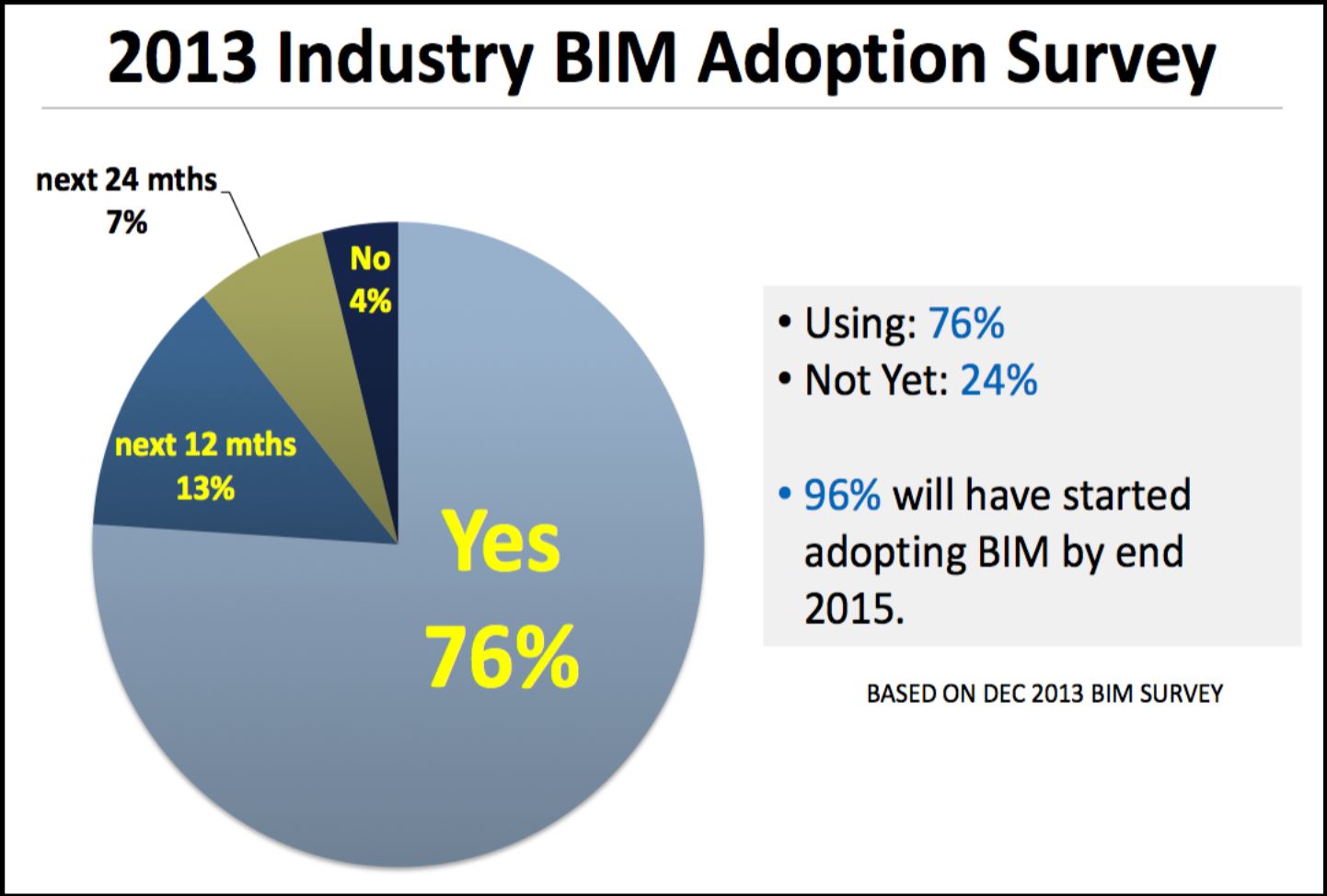 sector led by progressive firms and supported by a skilled and competent workforce in 2020.
At the BIM Worldwide: Solutions for Canada conference in Toronto, Cheng Tai Fatt, Director, BCA and William Lau, of William Lau Architects and past-president of buildingSMART Singapore, gave a fascinating overview of this dynamic city’s implementation of BIM and its BIM plans for the future.
In 2013 an industry adoption survey found that 76% of firms surveyed had begun BIM adoption. It also estimated that 96% will have started BIM adoption by the end of 2015. 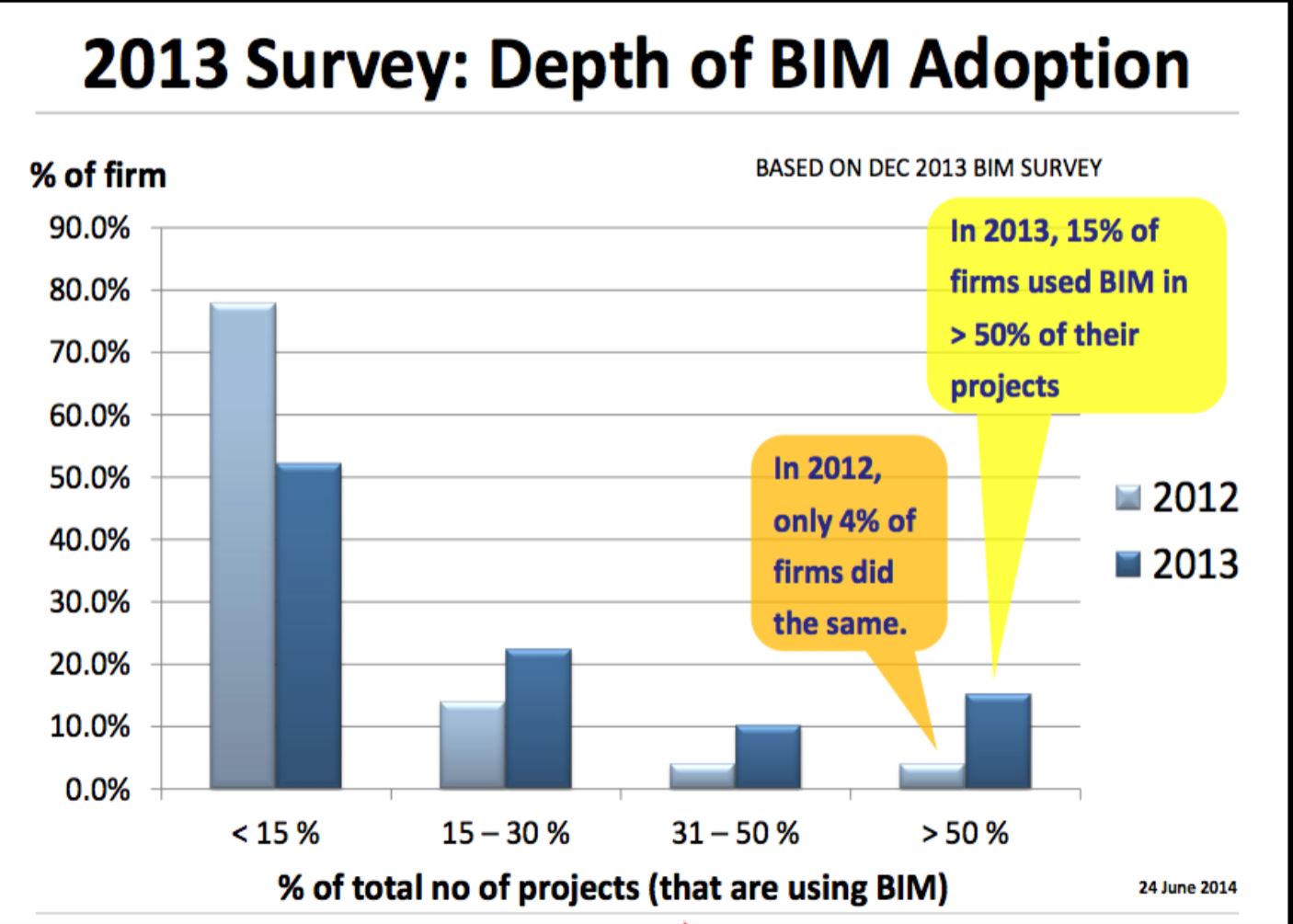 The survey also found that in 2013, 15% of the firms surveyed used BIM on more than 50% of their projects, a significant increase compared to 2012 when only 4% of firms did.
The primary applications of BIM in Singapore are
- Design visualization
- Clash detection
- Construction coordination modeling
- Construction phasing and scheduling
- Quantity take-off
- Documentation/specification management
- Design analysis including energy, solar and wind analyses
The government’s BIM development strategy is based on the public sector leading the way. But it is designed to encourage the private sector by promoting industry succ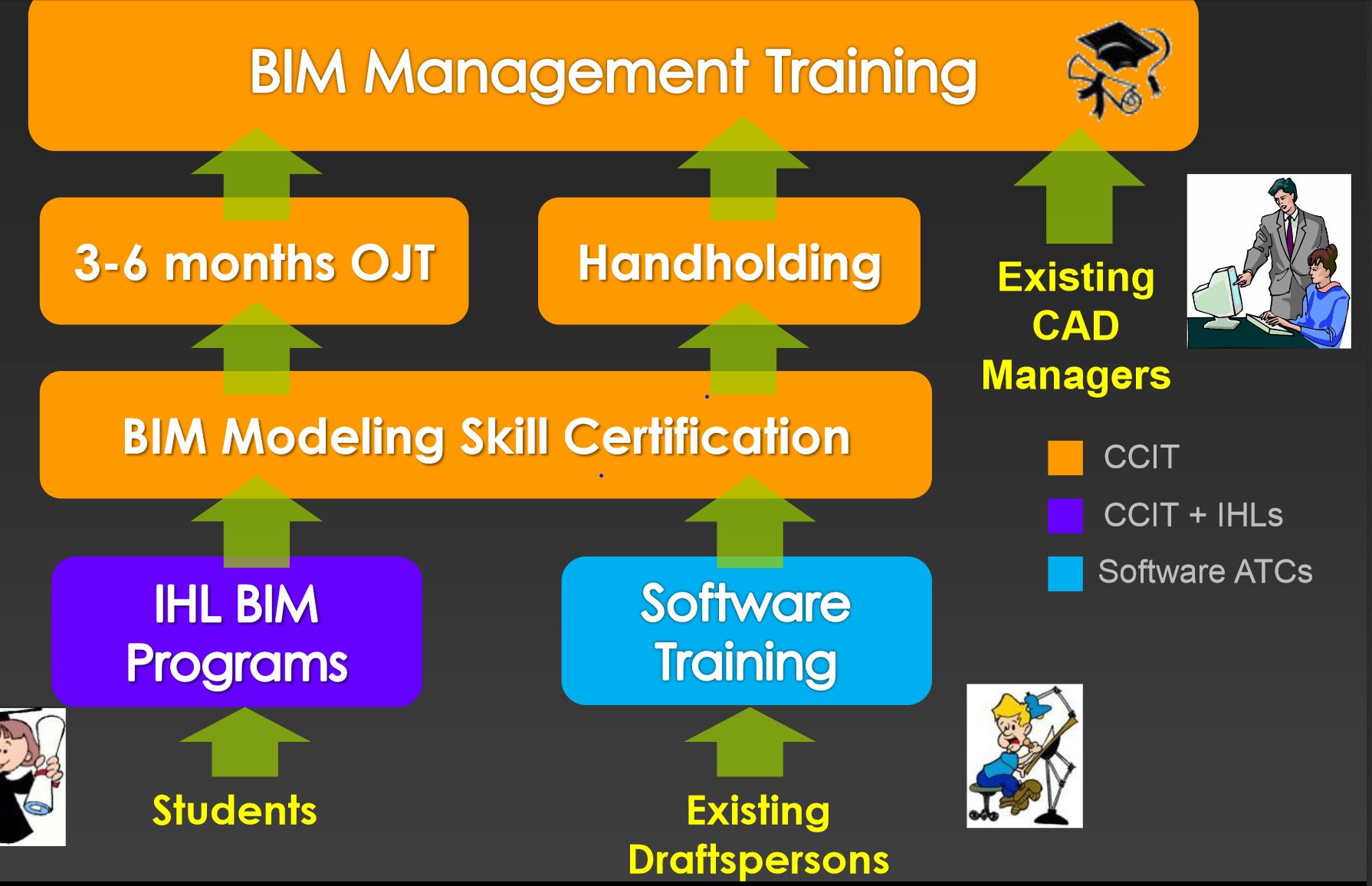 ess stories and removing impediments. The latter includes developing a series of industry-wide BIM guides, defining a legal and contractual framework for BIM-based projects, and studying the BIM workflow including the interaction between consultants and contractors to identify alternative ways of collaborating such as early contractor involvement and integrated project development (IPD).
The government has put a lot of effort into building BIM capability and capacity through outreach, handholding and mentoring, and training programs (the government subsidizes BIM training by up to 50%). Many of Singapore’s universities and polytechnics are involved with BIM training and education in some way.
The government also encourages and supportes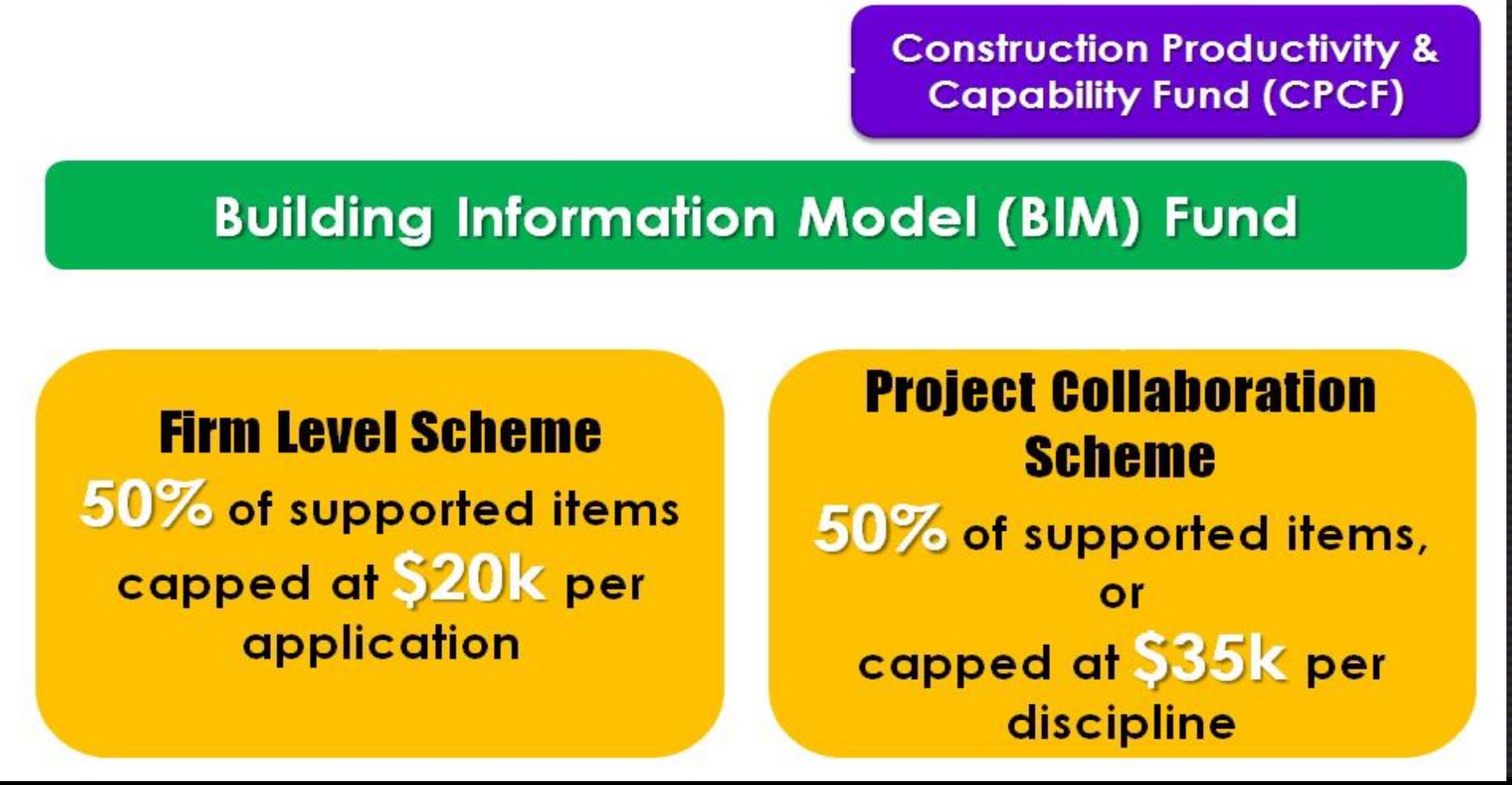 the development of BIM standards such as buildingSMART’s Industry Foundation Classes (IFC). For example, BCA and buildingSMART Singapore developed a library of building and design objects as well as project collaboration guidelines.
Finally the government has implemented programs for incentivizing BIM adopters. BCA
introduced a S$6-million BIM Fund under the Construction Productivity and Capability Fund in June 2010. The BIM Fund covers the costs of training, consultancy, software and hardware.
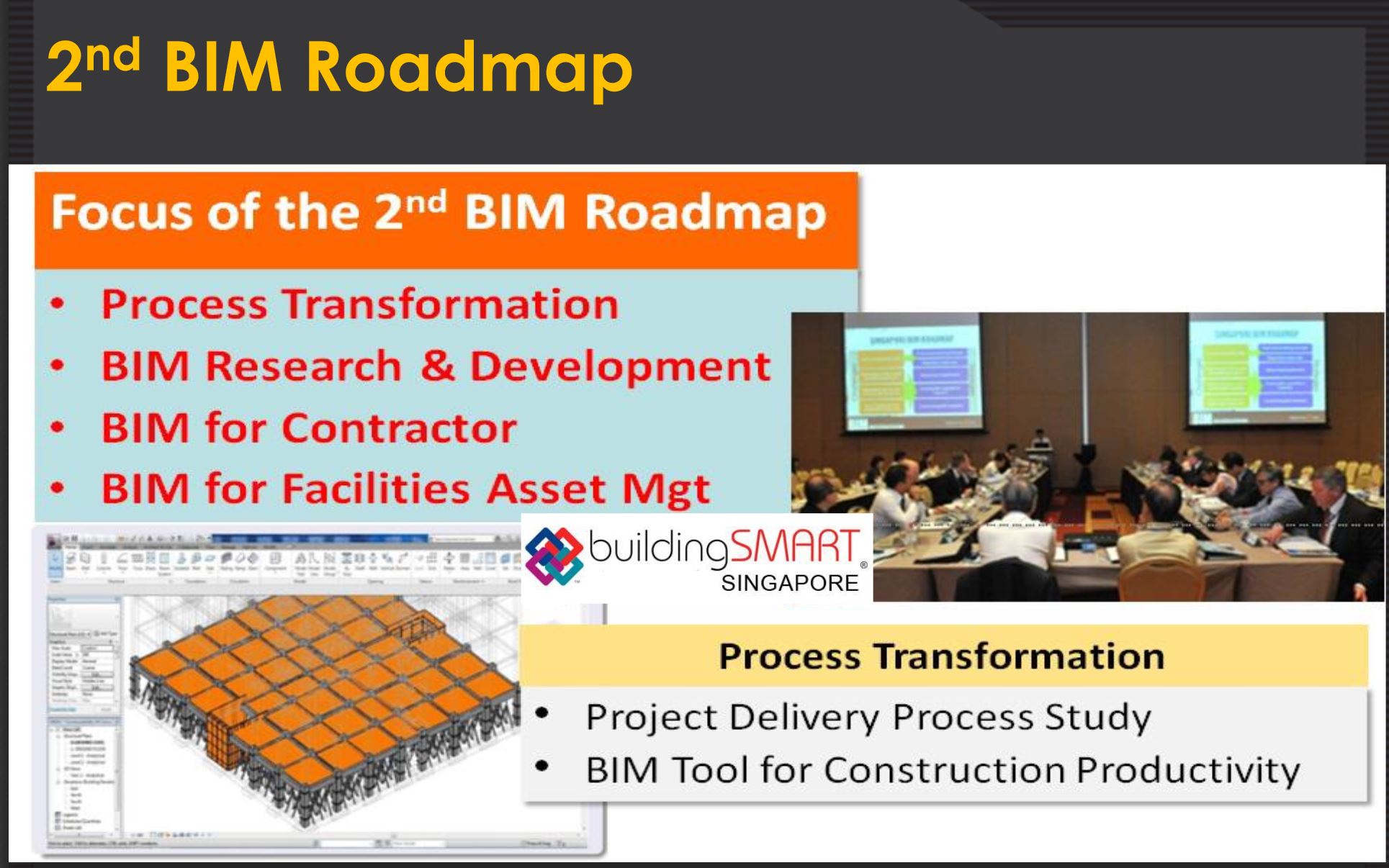 Singapore’s Second BIM Roadmap
Singapore is working on developing a second BIM roadmap with a focus on process transformation, BIM research and development, BIM for contractors, and BIM for facilities management. There are similarities in this roadmap to the UK Government’s BIM Level 3 strategy.

Be the first to comment