
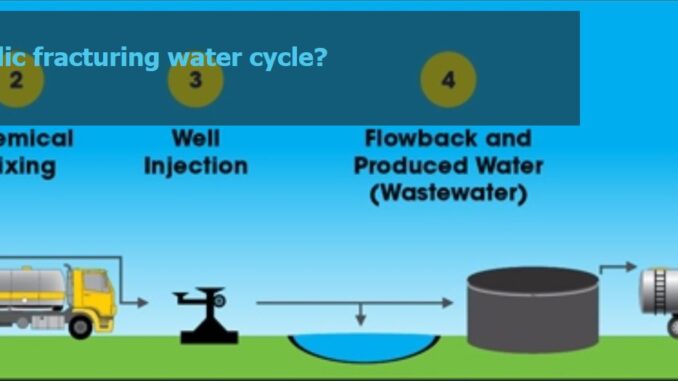
A new study that confirms drinking water contamination by fracking, something the EPA has been unable to do, signals the beginning of a process to assess the environmental cost of “wildwest” drilling and fracking. This study relates to drinking water contamination. The other area where reports are also circulating about the environmental cost of fracking is the release of methane, a potent greenhouse gas, into the atmosphere.
The U.S. is predicted to become the biggest oil producer in the world, ahead of Saudi. This is largely because of hydraulic fracturing (fracking) and other well stimulation techniques, both for natural gas and oil. There are over half a million natural gas wells in the U.S. There are even wells at the Forth Worth airport to give you a feel for how ubiquitous they are in parts of the U.S. and Alberta. “Unconventional oil and gas” as fracking is often referred to has become a significant part of the U.S. economy employing millions.
But the environmental cost of fracking remains uncertain. In 2005 Congress passed the Energy Policy Act of 2005, which was an omnibus energy bill (that among many other things changed daylight savings time in the US). Among the provisions of the bill was one (the so-called “Halliburton loophole”) that exempted hydraulic fracturing from protections under the Clean Air Act, Clean Water Act, and Safe Drinking Water Act, which means that fracking has never been regulated at the federal level (EPA).
The 2005 bill, which was passed during the GW Bush administration, prevented the EPA from doing any assessment of the environmental impact of “wild west” drilling and fracking. However, in the last few years so many reports (and a film) have been circulating about water contamination from fracking that Congress authorized the EPA to do a study of the impact of fracking on drinking water quality.
Needless to say there is a lot of money and jobs involved. Hence, the study was very controversial and the oil/gas companies did not cooperate. Based on the limited evidence the EPA was able to collect, the study’s draft executive summary said that it had not found evidence of “systemic, widespread effects on drinking water”. But even the study’s Science Advisory Board (SAB) disagreed with the conclusion, saying the evidence did suggest a wider problem.
Now a study by academics from Stanford in a peer-reviewed journal (Environ. Sci. Technol.,March 29, 2016, DOI: 10.1021/acs.est.5b04970) has confirmed that fracking did pollute an aquifer in Pavillion, Wyoming. The authors state “that they have, for the first time, demonstrated impact to Underground Sources of Drinking Water (USDWs) as a result of hydraulic fracturing.”
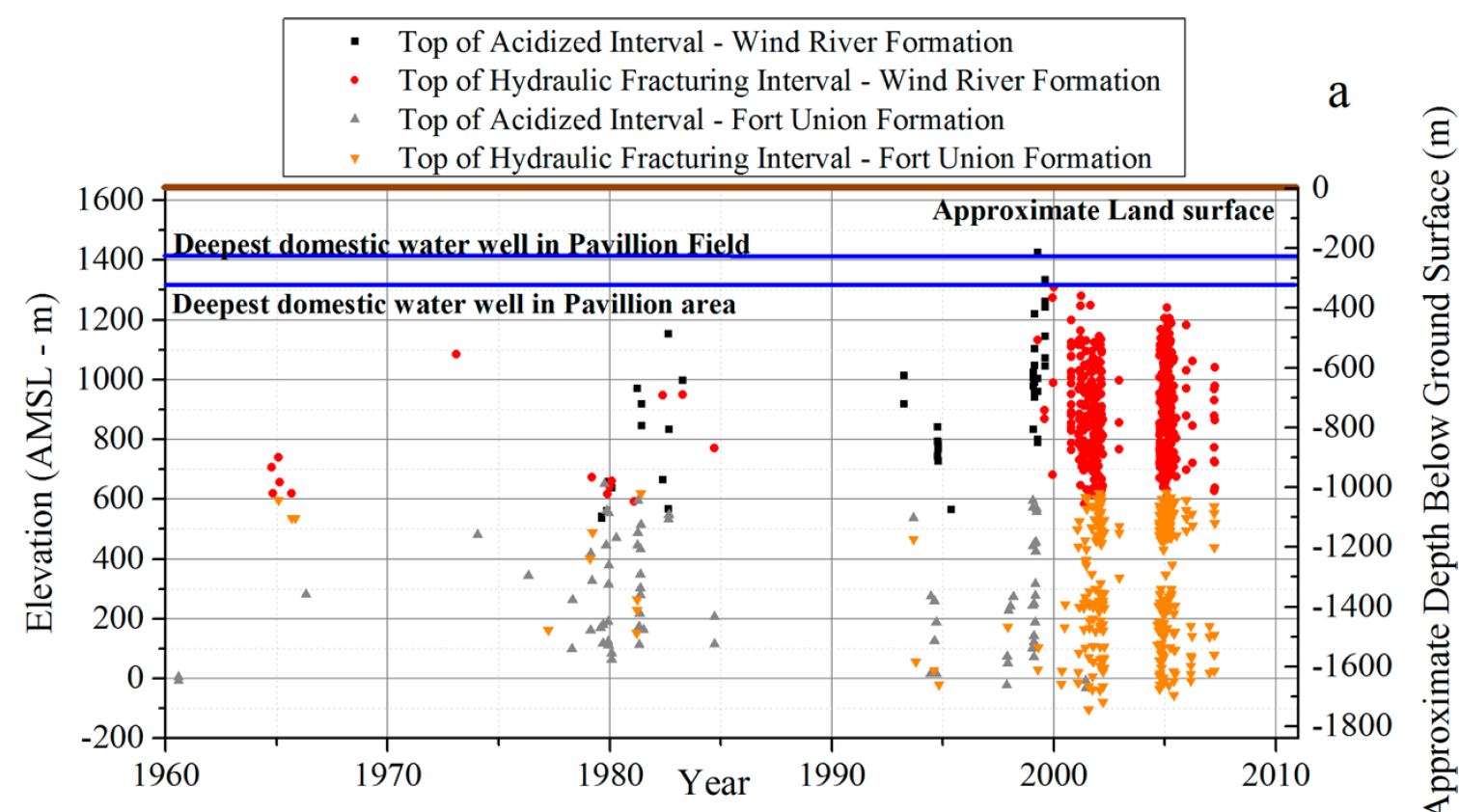 They also compiled well depths at which stimulation and fracking occurred and compared them to to the depths of drinking water wells. They found that well stimulation occurred many times at less than 500 meters from the surface and, in some cases, at or very close to depths of the deepest domestic wells. This is evidence of shallow hydraulic fracturing, which has been shown to be of higher risk to drinking water sources than deeper hydraulic fracturing, especially given the issues found and documented in several wells in the Pavillion field.
And because there is nothing especially unique about the geology and drilling around Pavillion, the study suggested that this is likely evidence of a wider problem, “given the high frequency of injection of stimulation fluids into USDWs…, it is unlikely that impact to USDWs is limited to the Pavillion Field requiring investigation elsewhere.”
The problem is likely poor drilling practices and management of “produced water” because of lax or no regulation. If the drillers neglect to put in concrete casings or if they are insufficient and leak, then the chemicals (including known carcinogens) injected into the well can get into drinking water sources. If the water returning to the surface containing a variety of chemicals (produced water) is stored in unlined ponds as it used to be, this can also get into drinking water sources.

Be the first to comment