
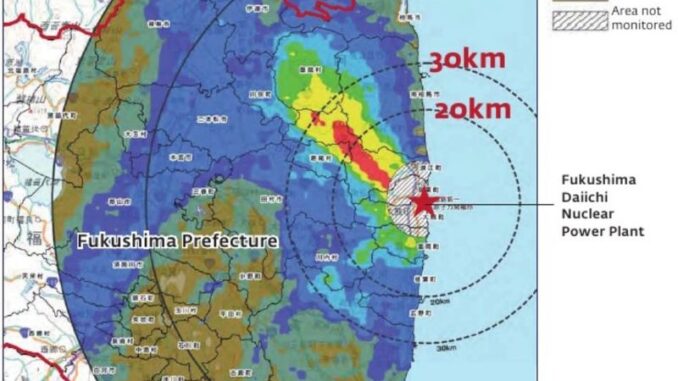
As readers of this blog will know, I began following the Fukushima Daiichi and Daiini events as they unfolded starting on March 11, 2011. Everyone following the events had a lot of questions about TEPCO’s handling of the disaster. To me the critical question is why it took weeks to restore external power to Daiichi, when external power was restored to Daiini within hours preventing a major disaster at that plant.
Fukukshima Nuclear Accident Independent Investigation Commission
In October, 2011, the
National Diet established the Fukushima
Nuclear Accident Independent Investigation Commission (NAIIC) chaired by
Kiyoshi Kurokawa, a former president of the Science Council of Japan.
The NAIIC is the first independent commission created in the history of
Japan’s constitutional government. The Executive Summary is available in English.
The main players in the report are the Prime Minister’s Office
(Kansei), the Ministry of Economy, Trade and Industry (METI), the
Nuclear and Industrial Safety Agency (NISA), the Nuclear Safety
Commission (NSC), and the Tokyo Electric Power Company (TEPCO).
The key conclusion of the report was that the accident was a “manmade” disaster.
The TEPCO Fukushima Nuclear Power
Plant accident was the result of collusion between the government
(METI), the regulators (NISA and NSC), and TEPCO. Therefore, we
conclude that the accident was clearly “manmade”.
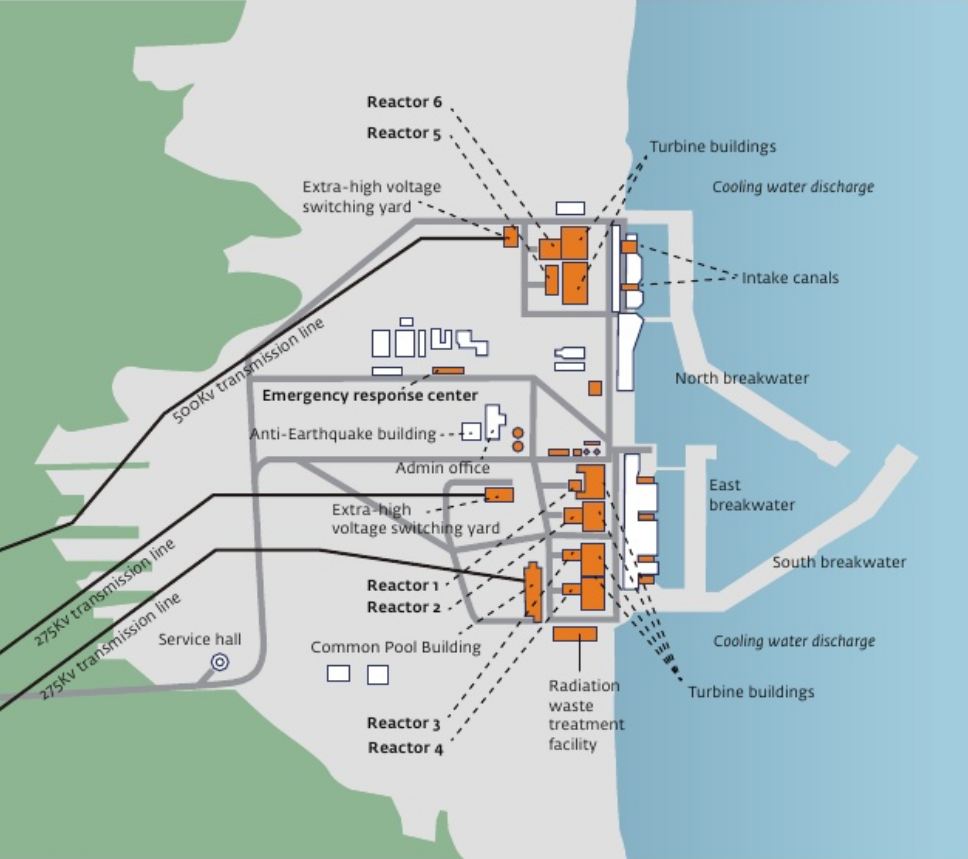 The regulator NISA
Since 2006, the regulators and TEPCO
were aware of the risk that a total outage of electricity (station
blackout) at the Fukushima Daiichi plant might occur if a tsunami were
to reach the level of the site.
There
were many opportunities for taking preventative measures prior to March
11. The accident occurred because TEPCO did not take these measures,
and [the regulators] NISA and NSC went along.
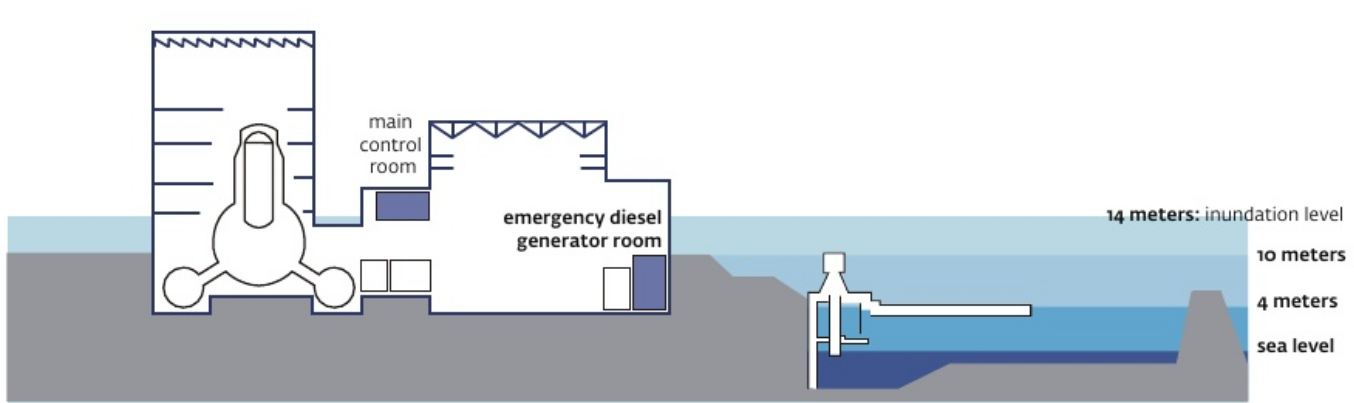 The operator TEPCO
TEPCO’s mindset which included the
reluctance to take responsibility epitomized by President Shimuzu’s
inability to clearly report to the Prime Minister’s Office the
intentions of the operators of the plant.
TEPCO was too quick to cite the
tsunami as the cause of the nuclear accident. The Commission believes
that this is an attempt to to avoid responsibility by putting all the
blame on the unexpected (the tsunami) and not on more the foreseeable
earthquake. The damage to Unit 1 was caused not only by the tsunami but
also by the earthquake. Additionally there two causes for the loss of
external power, both earthquake related: there was no diversity or
independence in the earthquake-resistant external power systems, and the
Shin-Fukushima transformer substation was not earthquake resistant.
TEPCO’s internal reform task force
According to the Japan Times, after the Fukushima disaster TEPCO set up an internal reform task force headed by TEPCO President Naomi Hirose to investigate TEPCO’s handling of the disaster. October 12, the internal reform task force said in a statement that
The utility was aware safety improvements were necessary long before last year’s quake and tsunami caused three catastrophic core meltdowns at the facility, but failed to act because it feared the political, economic and legal consequences of implementing new measures.
According to the task force,
TEPCO feared that efforts to upgrade its nuclear facilities to be better prepared for major natural disasters would stimulate antinuclear sentiment, interfere with operations and increase litigation risks.
Specifically, the task force said that
TEPCO could have mitigated the impact of the Fukushima meltdowns if it had diversified the plant’s power and cooling systems by paying closer heed to international standards and recommendations.
The task force also said that
TEPCO should have trained its employees in practical crisis-management skills, rather than conducting obligatory safety drills as a mere formality.
This is the first time that TEPCO has acknowledged that the
nuclear disaster at the Fukushima Daiichi power plant could have been
avoided.
The statement was released after TEPCO’s Nuclear Reform Monitoring Committee, a five-member committee that was set up to monitor the task force’s reform plans, held its first meeting Friday. According to the head of the Committee, the committee’s goal is to ensure that TEPCO develops practices and procedures so an accident like (the Fukushima meltdowns) will never happen again.

Be the first to comment