
At the recent Eastern Utility Forum one of the critical areas that was identified by participants, which included power, gas, and railroad companies, is the aging workforce. This is a bigger problem for utilities than for other industries. A UTC Research Report “The Aging US Workforce and Utilities Industries” reported that the average age in the utility sector is 3.3 years higher than the US national average, that half of the utility workforce is over 45, and not enough young people are being recruited to replace experienced staff who are approaching retirement. What this means for utilities is that they are facing a critical loss of knowledge and skills.
The 2005 GITA Technology Review reports that field force automation was among the top three applications for the electric, gas, and water industries. A plausible explanation for the critical importance of field force automation for utilities is the aging workforce.
One approach that some utility companies have used is mentoring, where experienced workers are
encouraged to assist in knowledge transfer to new employees. Another is to encourage older workers to remain on the job through flexible working hours and other enticements.
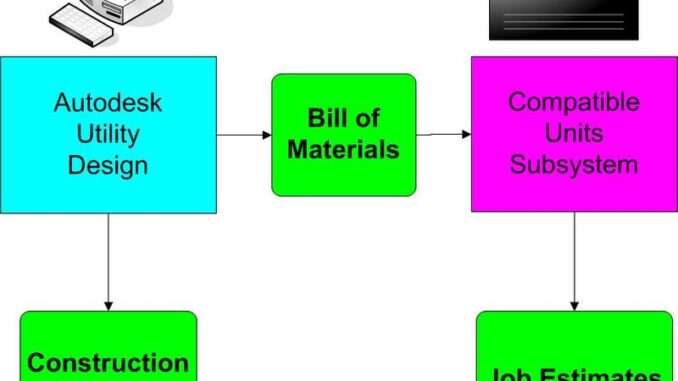
But in my opinion the solution is ultimately going to involve IT. At the Forum this was brought home in a very tangible way by Kodi Ekker and Mike Nelson from Idaho Power and Vito Lee, Denis McCombs, and Mohan Inguva of Nevada Power. They showed how they have addressed this problem and how it is going to be addressed by more and more utility companies in the future. They demonstratied what I would call intelligent desktop solutions. Intelligent solutions like these help younger workers be productive, but without the necessity of years of on the job training to acquire the knowledge that more experienced workers have absorbed through many years of experience. These systems integrate the production of a construction drawing, engineering analysis, and generation of a bill of materials and job estimates in a single, accessible package. In the context of the aging workforce problem that utilities are facing, the critical benefit for the future is that with basic AutoCAD skills a relatively inexperienced person can efficiently perform the design, engineering, and financial estimating tasks that are required to complete a work order.
Looking further down the road, with a handheld computer with enough computing power and
graphical real estate to run intelligent applications like this in the field together with wireless communications to exchange information with a central data repository, I think you can foresee the possibilities for enabling younger, inexperienced workers to be productive, dramatically improving the flow of engineering design information between the field and the office, and improved data quality. The business benefit is improved quality of service to the customer.

Be the first to comment