
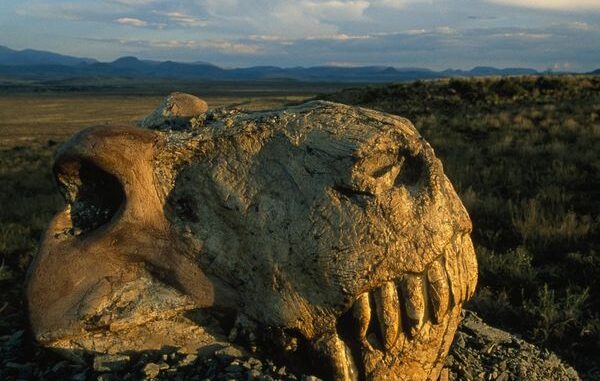
There’s a fascinating article in Nature Geoscience that links burning coal to the the Permian–Triassic (P–Tr) extinction event, that occurred 251.4 million years ago when up to 96% of all marine species and 70% of terrestrial vertebrate species became extinct. It also caused the only known mass extinction of insects.
Unlike the the Cretaceous–Tertiary (K–T) extinction event, which occurred approximately 65.5 million years ago, happened very rapidly and is theorized to have been caused caused by a catastrophic event, such as the Chicxulub meteor impact, the P-Tr event is theorized to have either involved multiple extinctions or to have been gradual, but in either case it was spread out over a few million years. The cause of the P-Tr event is not clear, but it has been suggested that it is related to the coincidence of massive Siberian Traps volcanic activity and the combustion of Siberian coal and organic shales, which together would have released massive amounts of carbon dioxide (CO2) and methane (CH4) and which would have affected the global climate. Evidence for 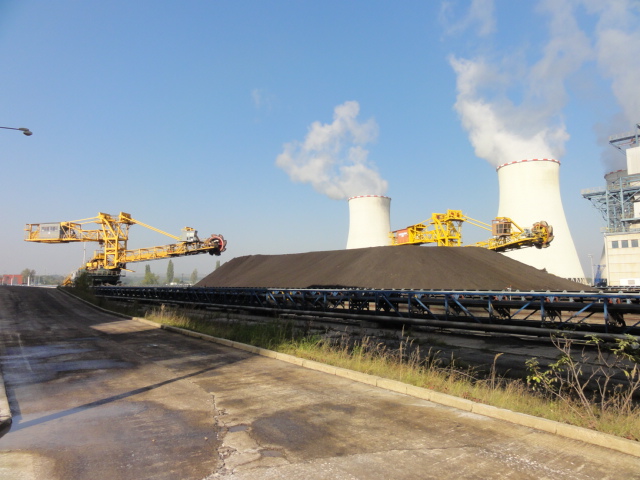 volcanic eruptions and gas release in the Siberian Tunguska Basin has been found, but this paper presents the first direct evidence of coal combustion.
Analyses of terrestrial carbon suggest a substantial amount of ash, remarkably similar in composition to modern coal fly ash (modern fly-ash samples were taken from coal-fired power plants in western Canada), was deposited in Permian aged rocks from the Canadian High Arctic immediately before the mass extinction. As you might have gathered from the recent TVA Kingston fly ash pond spill, fly ash slurries are toxic, and the paper speculates that the global distribution of fly ash could have created the toxic marine conditions that resulted in the P-Tr extinction.
Carbon-negative volcano
Incidentally not all volcanic activity increases the amount of CO2 in the atmosphere. According to a recent article in the New Scientist, when the Eyjafjallajokull volcano in Iceland erupted it released 150,000 to 300,000 tonnes of CO2 per day, which is less than the grounded flights would have emitted.

Be the first to comment