
I have blogged about the shrinking workforce in countries around the world like Japan and Germany, where there have been declining populations. The shrinking workforce is acting as a brake on the German economy. The German Chamber of Industry and Commerce
DIHK estimates that German economic growth has
been reduced by one percent by the labour shortage and that the problem
is getting worse. Recently Germany liberalized its immigration laws and for the first time in a decade the population of Germany is actually increasing.
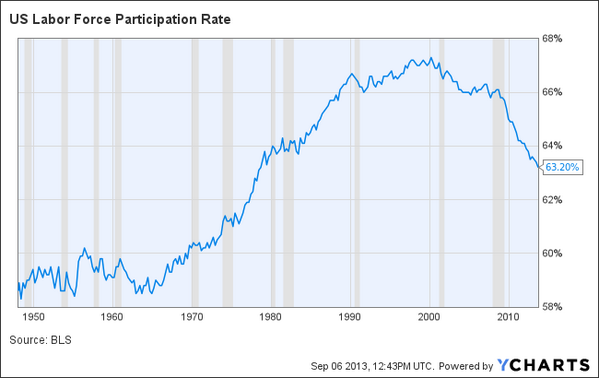
In the U.S. because of its policy of encouraging immigration, the shrinking workforce is not the result of population decline, but the result of a decreasing participation rate. The labour participation rate is the percentage of the population that is employed or actively looking for work. In the U.S. as a result of increasing numbers of women entering the workforce and increasing longevity, the participation rate increased from the 1960s until about 2000 when it reached about 67%.
Since 2000, however, the participation rate has declined. One explanation for the decline is the aging workforce. Boomers are retiring at an increasing rate. This has created a serious problem for many utilities where over half the work force will be eligible to retire in the next few years.
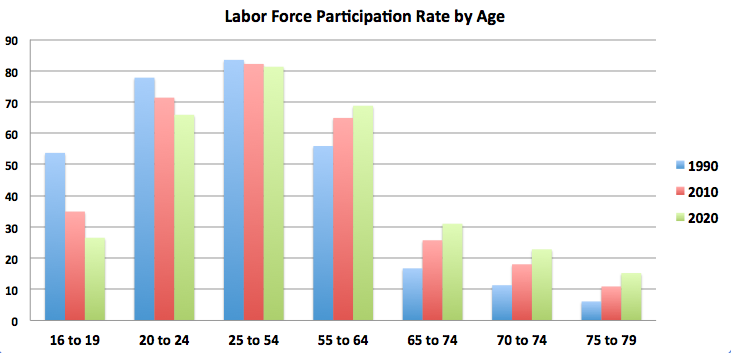 But there is another trend that tends to mitigate this, the percentage of older workers who remain on the job post-retirement is trending upwards. For the age group 65 to 74 the proportion of workers still working is nearly twice what it was in the 1990s. In the long term the problem remains, finding young workers to replace the older workers when they retire.

Be the first to comment