

Cities are under pressure. Infrastructure is ageing, urban population is growing and climate risks are escalating. Urban planners are expected to manage this complexity — often with tools that were never designed for the pace or scale of today’s challenges.
Static maps, disconnected databases, and isolated systems can’t deliver the kind of visibility or responsiveness cities now require. What’s needed is something more dynamic. More connected. Smarter.
That’s where urban digital twins come in.
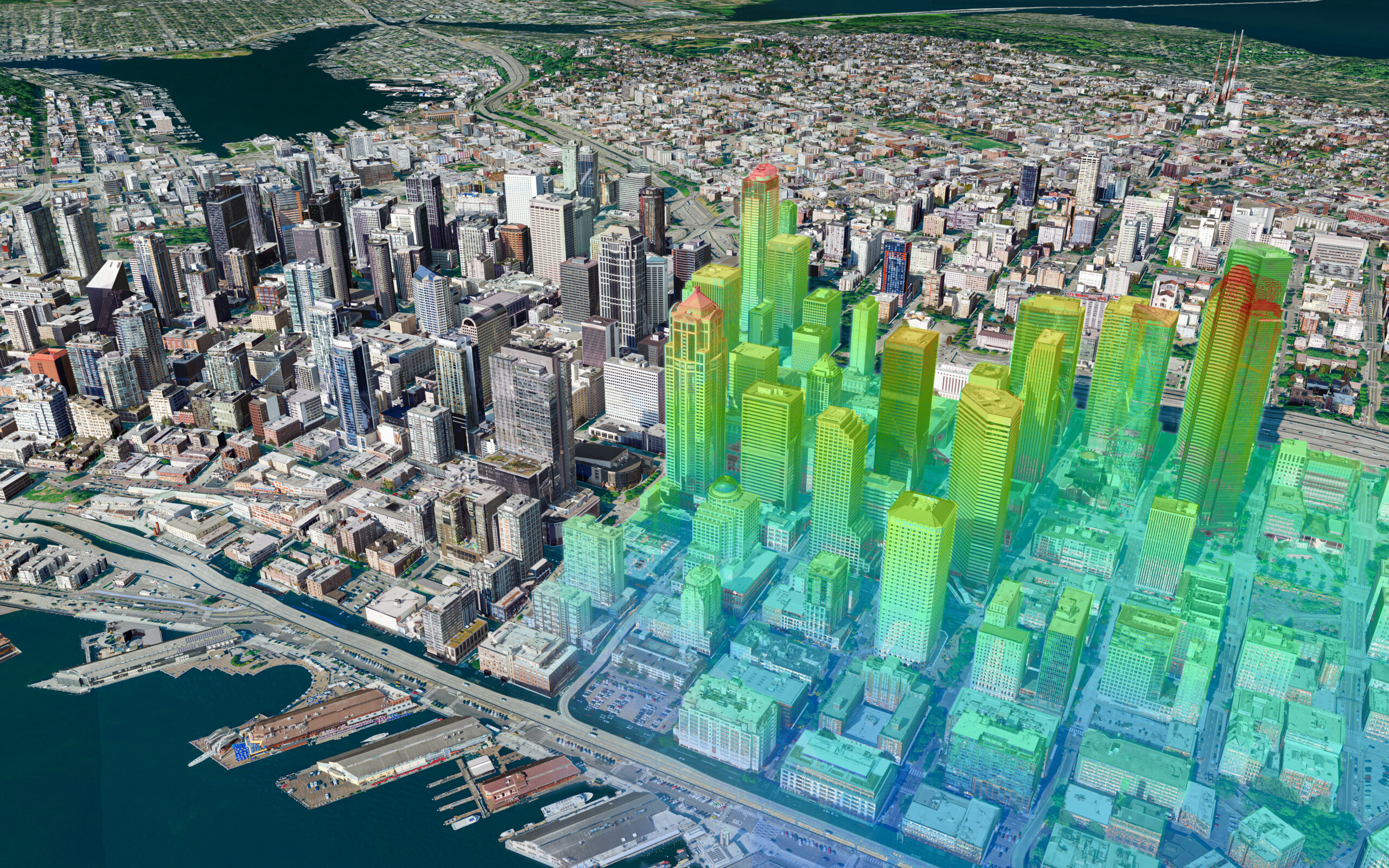
These are not abstract models or future-looking prototypes. They are operational platforms – live, data-driven replicas of cities that combine physical models, real-time sensor data, and predictive simulations.
When cities have the right tools, they are not just reacting. They can see what’s going on as it happens, get ahead of potential problems, and make smarter calls across the board.
It’s a shift from asking, “What just happened?” to being able to ask, “What should we do next?”
Across Europe and elsewhere, digital twins are already being deployed to improve everything from flood response to carbon tracking. And companies like Hexagon are helping cities make this shift – with solutions that turn complex urban data into real-time intelligence for planning, operations, and resilience.
Beyond the Model: What an Urban Digital Twin Really Is
There’s a common misconception that digital twins are just high-tech 3D maps. In reality, they are layered, multi-dimensional platforms built to represent and interact with all aspects of urban life.
Urban digital twins are often structured in three layers:
- Digital City: The foundational 3D representation of buildings, roads, and utilities.
- Connected City: Real-time input from sensors, alarms, and IoT devices – turning models into systems that respond to change.
- Intelligent City: This is where AI and simulations come in — analyzing data, identifying patterns, and helping decision-makers look ahead rather than just react. It’s where digital models start to become strategic tools.
When all three layers — digital, connected, and intelligent — are in place, cities gain more than visibility. They gain the ability to test ideas before implementation, monitor systems as they operate, and respond quickly when something goes wrong. Whether it’s anticipating flood zones, managing traffic congestion, or optimizing energy use, planners have a way to move from hindsight to foresight.
A Tool for Real Problems
What does this look like in practice?
Take Hofbieber, a municipality in Germany working toward carbon neutrality by 2030. Partnering with Hexagon, the town built a digital twin to model its emissions footprint, simulate mitigation strategies, and monitor progress – all without pouring a single ton of concrete. Planners could virtually test scenarios like adding solar panels or optimizing building efficiency, refining their approach in software before investing on the ground.
Another good example is Stuttgart, which, like many cities, is dealing with rising climate risks – frequent floods, hotter summers, and growing pressure on infrastructure. To respond, the city worked with Hexagon and Fujitsu to build a digital twin that brings everything together: flood models, temperature data, green space planning, and more. City teams can now see the full picture in one place — they can spot vulnerable areas sooner, move resources where they are needed most, and base decisions on live, real-world data, and not guesswork.
These aren’t one-off pilots, but are the beginning of a global shift as more and more cities begin to think like platforms — bringing together systems that used to run in isolation. Places like Singapore, Barcelona, and Amsterdam are already building out large-scale digital infrastructure, with digital twins at the center of it all. The goal? Make everything work together, from transit and utilities to climate planning and emergency response.
Digital twins are the foundation for this evolution: modular, intelligent, and accessible. They are not just about managing the city you have, but designing the city you want.
More Than Efficiency: The ROI of Resilience
The benefits of digital twins are well-documented, and they extend far beyond urban planning. According to Hexagon’s 2024 Digital Twin Industry Report, organizations that have adopted digital twins report:
- 19% average revenue growth
- 19% average cost savings
- 80% said digital twin is helping them reduce carbon emissions
These numbers are compelling, but only tell part of the story. Digital twins also enable public safety gains, citizen engagement, infrastructure maintenance, and sustainability progress.
In Palermo, Italy, officials are using a digital twin to monitor and manage urban greenery – an increasingly urgent need as fire seasons lengthen across southern Europe. With AI models layered on top of live vegetation data, the city can identify high-risk zones before fires break out and pre-emptively shift firefighting resources or redesign green spaces. As cities face mounting climate and resource constraints, digital twins become vital.
Digital twins are also changing how cities work with the private sector. Utilities, telecom companies, contractors — they all rely on current, accurate location data to do their jobs. A well-built digital twin gives everyone the same source of truth, so projects can move faster and with fewer surprises.
Breaking Silos, Building Collaboration
One of the most powerful aspects of a digital twin is its ability to unify siloed departments. In many municipalities, data is fractured: traffic management uses one system, environmental services another, and planning offices often rely on outdated GIS files.
Digital twins provide a shared environment where teams can collaborate in real-time. Transportation officials can model how a new transit line affects emissions; emergency services can simulate evacuation plans under different disaster scenarios; housing authorities can assess development impacts on utilities or noise levels. These are becoming everyday use cases.
Hexagon’s solutions emphasize this interoperability. By offering open standards, APIs, and integrations with existing tools, they ensure that cities can start where they are and scale over time, rather than ripping out legacy systems.
What’s Next?
The momentum is clear. According to market projections, the digital twin industry is poised to grow from €16.42 billion in 2024 to over €240 billion by 2032 – a compound annual growth rate of nearly 40%.
As these systems become more mainstream, we can expect to see even deeper integration of AI, more robust citizen interfaces (like digital twin-powered public dashboards), and stronger links to decarbonization efforts. Already, digital twins are being used to guide energy policy, optimize building retrofits, and simulate renewable energy adoption scenarios.
For governments, the opportunity is twofold: operational excellence and futureproofing. And for companies like Hexagon, the challenge is to keep pushing the boundaries of what’s possible – without losing sight of the practical needs of the cities they serve.
Digital twins aren’t just another tech trend. They reflect a deeper shift in how cities operate – moving from reacting after the fact to planning ahead, from working in silos to acting as one connected system. It’s a clearer, more coordinated way to understand and shape the places we live.
As climate challenges escalate and urban populations swell, the cities that thrive will be those that know themselves best – not through guesswork, but through data, simulation, and insight.



Be the first to comment