
There is little doubt that “transactive energy” is in the future of electric power in North America, which already has continental grids, and in the EU with the development of the EU’s supergrid. The world is rapidly developing the technology that allows energy flows to be determined by market forces (transactive energy). By analogy with Uber and Airbnb, Gartner has predicted that by 2020, the largest energy company in the world (by market cap) will not own any network (grid) or generation assets. It will manage information about energy sources and consumers. Another option is a decentralized,distributed transaction system that allows generators such as you and I as well as traditional large scale utility generators to sell energy to you and me and other users, but without a centralized transaction manager.
Blockchain is a decentralized, distributed database for managing transactions. Blockchains provide a global infrastructure untethered from the stability or permission of governments and institutions. It is the technology underlying Bitcoin. The generalized version is often referred to as blockcoin 2.0. Blockchain supports smart contracts. Nasdaq and other financial institutions including banks have been experimenting with and developing applications based on blockchain technology. Nasdaq has opened its blockchain services framework to more than 100 of its market operator clients around the world. The blockchain services are part of what Nasdaq calls its “Core Services” component which serves as a hub for its financial applications. Late last year an issuer was able to use Nasdaq Linq blockchain technology to successfully complete and record a private securities transaction – the first of its kind using blockchain technology. Chain.com, a Nasdaq Linq client and blockchain developer, documented its issuance of shares to a private investor using Nasdaq’s blockchain-enabled technology.
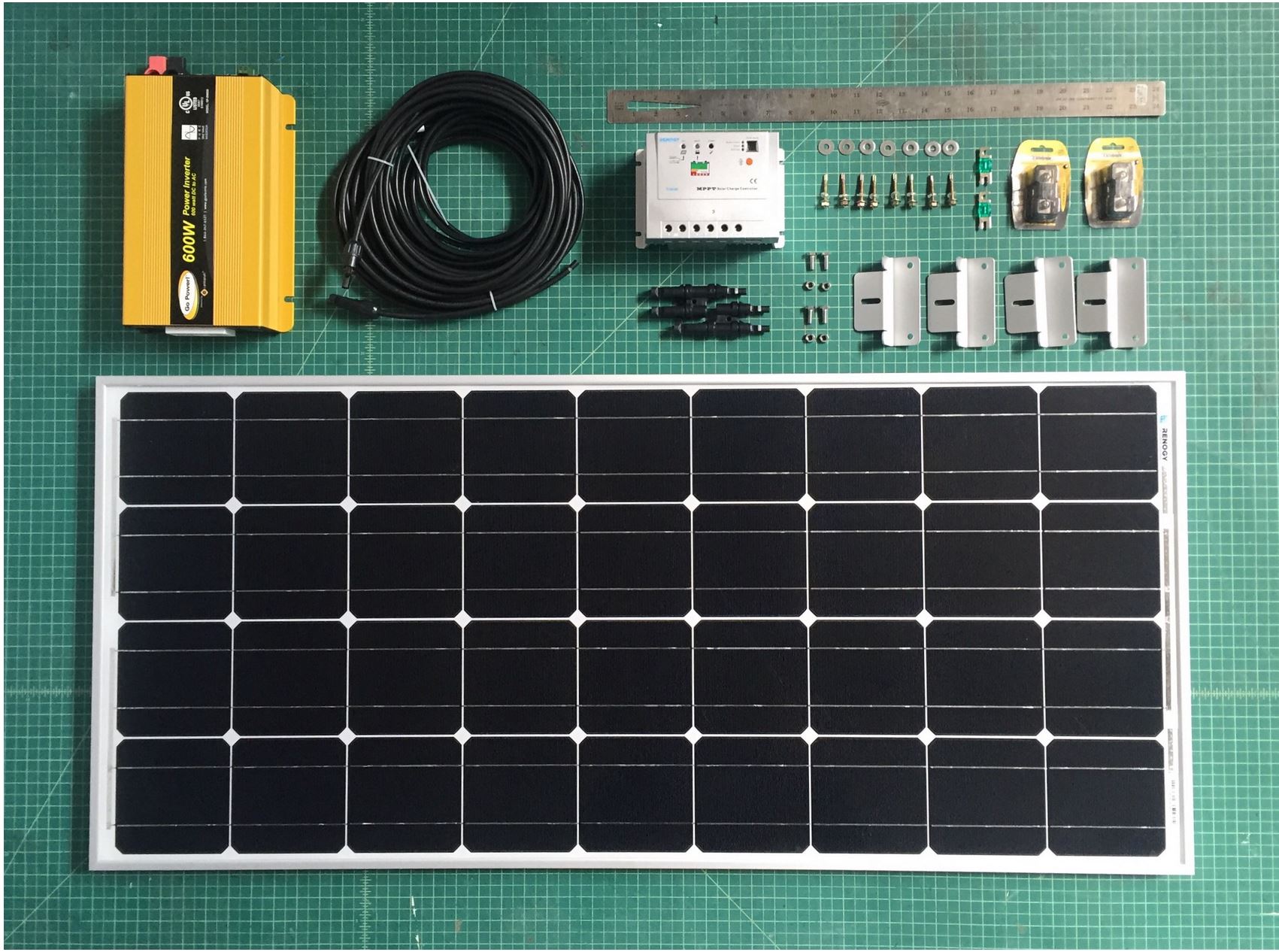 Earlier this year Nasdaq demonstrated a blockchain service that lets solar power generators sell energy certificates (Nasdaq Explores How Blockchain Could Fuel Solar Energy Market). The project is part of a collaborative effort between Nasdaq and design firm IDEO’s CoLab to facilitate partnerships that take a design-based approach to creating human-usable technology. Internet connected solar panels have been developed with technology provided by Filament
  , a Nevada-based blockchain startup. Its technology allows traditional electronic devices to be connected online. The solar panel is actually hard-wired into the IoT device through a converter which enables Nasdaq to measure the wattage the panels are generating into the grid. Using the API of Nasdaq’s blockchain-based private markets platform, anonymous certificates are created which can be sold to anyone who wishes to subsidize solar energy. The cryptographically verified certificate, representing solar power generated in the western US, appeared live on the screen in New York City.
 Nasdaq is not the only organization exploring blockchain for energy transactions. Brooklyn-based startup LO3 has partnered with Consensus Systems on TransActive Grid which is combination of software and hardware that enables members to buy and sell energy from each other securely and automatically, using smart contracts and the blockchain.
 In Vienna, Grid Singularity is using blockchain to support energy-related transactions. “Damit haben wir (fast) alles beisammen, was in der neuen Energiewelt relevant ist oder kurzfristig wird: dezentrale Energieversorgung, Digitalisierung, disruptive Geschäftsmodelle, Smart Contracts, Blockchain, Kryptowährung. Als Wegweiser in die neue Energiewelt, haben wir am 23. Mai 2016 den 1. Blockchain-Tag in Deutschland veranstaltet.” (We’ve just about got everything we need for the new energy world, decentralized energy distribution, digitization, disruptive business model, smart contracts, blockchain, and cryptographic security. As a signpost to the new energy world, we have instituted May 23, 2016 as the first Blockchain Day in Germany.)
 Australian startup Sun Exchange has developed a platform that lets investors back small-scale solar projects and receive monthly dividends.
 MIT start-up SolarCoin (SolarChange in the US and EU) pays people with an alternative digital currency for generating solar energy. SolarCoin is based on Bitcoin technology. The original concept for SolarCoin required a central bank. Blockchain is decentralized making the central bank unnecessary. People earn coins as a reward for generating solar energy. People with solar panels on their house receive solar renewable energy certificates from their energy company in return for feeding a megawatt-hour of electricity back into the grid. These certificates are already traded for cash, but if you present them to SolarCoin you will get a coin. SolarCoins are now given in 23 countries. The SolarCoin market cap is currently estimated to be about $2 million.
Be the first to comment