
SolarPV in the U.S. becoming disruptive
I blogged previously about SolarPV being potentially disruptive in the U.S. A presentation at this year’s NRECA conference hit on a very sensitive topic among power utilties. Companies like SolarCity,
a full service solar PV energy company, offer a financially attractive
solar package (that does not involve the local power utility) once the
power rate from the local utility reachs 14 cents/kWh or above.
Solar energy’s rapidly falling
technology and operations costs have made it cost-competitive with power
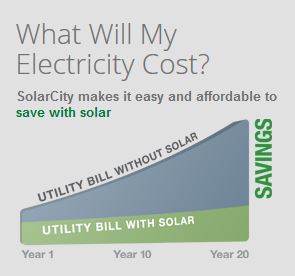
generated from fossil fuels in a growing number of markets in the U.S. SolarCity’s unique leasing plan eliminates upfront costs for SolarPV.
It offers a flat rate for 20 years, and payments are made against
savings from the monthly utility bill.
It turns out
that SolarCity is the biggest provider of solar power systems in the
U.S. The company says it expects to deploy 270 megawatts of solar systems in 2013. It operates in 14 states and the District of Columbia, SolarCity
also offers residential customers an energy storage option
via an 8 kilowatt-hour battery system. Elon Musk of SpaceX and Tesla
is the company’s chairman of the board and its largest shareholder. SolarCity has financing partnerships with Google and Goldman Sachs and a bit of a different relationship with Honda. Honda gets cost savings and green credibility by installing SolarCity systems at its dealerships and Honda and Acura car owners get a $400 discount on SolarCity systems.
This model is supported by research. In a report by John Farrell at the Institute for Local Self-Reliance, Rooftop Revolution: Changing Everything with Cost-effective Local Solar,
the levelized cost of solar PV power is compared with the cost of power
from local utilities. The report conclues that right now solar PV
delivers power more cheaply than the local power utility for 10% of
residential demand in California, Connecticut, Hawaii, New Hampshire,
and New Jersey.
By 2022 it is projected, assuming continued decreases in the cost of
solar panels, that solar power will deliver power more cheaply for 10%
of residential demand in 49 states, the only exception being Washington
State which has the lowest power rates in the United States. Furthermore according to another report Commercial Rooftop Revolution,
solar PV installed by businesses is projected to be competitive with at
least 10% of commercial power demand in the United States by 2022.
SolarPV and electric car batteries
Industry has been looking for opportunities to use electric vehicle batteries to complement rooftop solar on the power grid for some time. A fascinating study by the Pacific Northwest National Laboratory
(PNNL) looked at the feasibility of using battery capacity in plug-in
electric vehicles to mitigate imbalances from intermittent generation in the
power grid.
SolarCity is developing a system with partners that will combine Tesla Motors’ vehicle battery system with SolarCity solar systems to create a combined photovoltaic (PV) and stationary storage product which can be installed in homes and businesses. The battery storage would collect excess PV power production so that at night or during peak periods, consumers or even utilities could pull from battery storage rather than CO2 emitting power plants.

Be the first to comment