

At the inaugural meeting of the Smart Grid Interoperability Panel (SGIP), Commissioner John R Norris of the Federal Energy Regulatory Commission (FERC) addressed some of the burning issues facing electric power utilities. His remarks have to be understood in the context of emissions reduction goals stated by the Obama administration in December 2009 at the Fifteenth Conference of Parties of the United Nations Framework Convention on Climate Change (UNFCCC) in Copenhagen. The U.S. target proposed by the Obama administration was approximately 83 % below 2005 levels by 2050.
In the old grid electrons flowed from the utility to the consumer. In addition a monthly bill went from the utility to the consumer. If there was a power outage, the consumer called the utility. That was pretty much the information flow.
With the smart grid and distributed generation, there is now bidirectional electron flow between the utility and the consumer. In addition there is also much more information flow. Pricing information, demand response signals, and notifications flow from the utility to the consumer. Electric power usage information at 15 minute intervals and other smart meter data flows from the consumer to the utility.
There has also been investment in renewable energy, primarily wind but also other forms such as solarPV, concentrating solar, geothermal, and tidal. Demand response and other forms of demand management and energy conservation measures are resulting in reduced peak load and eliminating the need to build new peakers. These changes are moving in the direction of making the grid more efficient and reducing its carbon intensity, thereby supporting the emssions reduction goal.
Gas is disruptive
 And then along came gas which changed the dynamics and economics of the grid. One of the benefits is that gas is displacing coal in the dispatch system. There are other benefits arising from natural gas including lower energy prices for consumers. But the negative effect is that the low price of natural gas has discouraged investment in renewables and other technologies without which the U.S. is not going to reach the Administration’s emissions reduction target.
According to the EPA natural gas is the primary reason that U.S. emissions dropped by 4.5% in 2012. But if you project this trend to 2050, the goal of 83% is not achievable by simply replacing coal with natural gas. We need investment in the smart grid, distributed renewable generation, demand management, and energy conservation if the U.S. is going to achieve the Administration’s emissions reduction goal. As an example of what FERC has done to support this effort, FERC mandated the price of a negawatt to be equal to a megawatt of generated power to encourage energy conservation. It has also provided assurance that the costs of smart grid development including pilots and experiments are eligible for full cost recovery in the market place. It has also supported the interoperability standards efforts of SGIP as being critical for making the energy system competitive, reducing prices and thus making the grid more efficient. But Commissioner Norris is very concerned that the effect of low natural gas prices is a slow down in the investment in renewable energy, storage and other technologies that are critical if the U.S. is going to reach its emissions reductions target.
SolarPV is disruptive
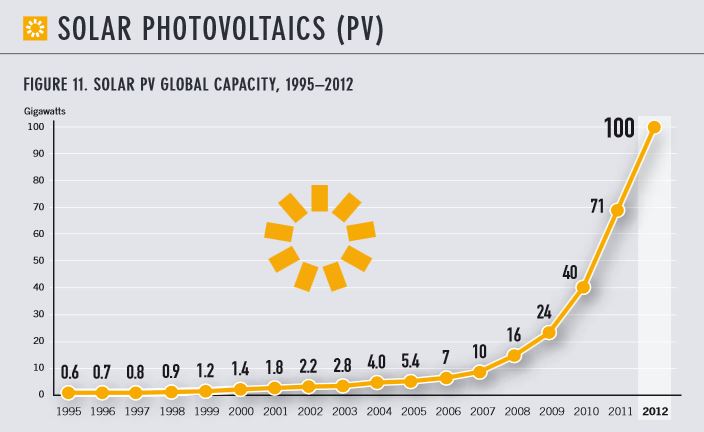 One of the technologies that will help reach the U.S. emissions reduction goal is distributed generation with intermittent energy sources such as wind and solar PV. The dramatic reduction in the price of solar panels has made solar PV competitive with the central grid in some parts of the country. For the first time in 100 years companies like SolarCity are providing consumers with a competitive alternative to the local power company. This is disruptive for the traditional utility business model.
 Regulators are very concerned about this trend. The National Association of Regulatory Utility Commissioners (NARUC) and FERC periodically meet for what they call a Sunday Morning Collaborative to discuss common burning issues. As a measure of the level of concern, Commissioner Norris said that the burning issue currently being discussed at these meetings is new utility business models.

Be the first to comment