
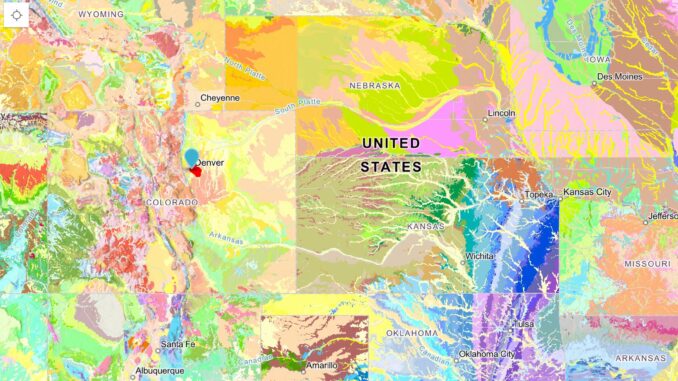
The U.S. Geological Survey (USGS) has released a new interactive web tool, The Cooperative National Geologic Map, the most detailed national-scale geologic map of the United States to date. Geologic maps serve many purposes. They guide decisions on resource management, critical mineral assessments, water quality modeling, infrastructure development, and evaluating risks from natural hazards.
Created by synthesizing over 100 preexisting state and federal geologic maps, this innovative tool provides users with layered geologic data across multiple thematic categories from Earth’s surface geology, Quaternary, pre-Quaternary, to Precambrian geology all in one platform. The layers were compiled through a standardized process funded by the USGS National Cooperative Geologic Mapping Program.
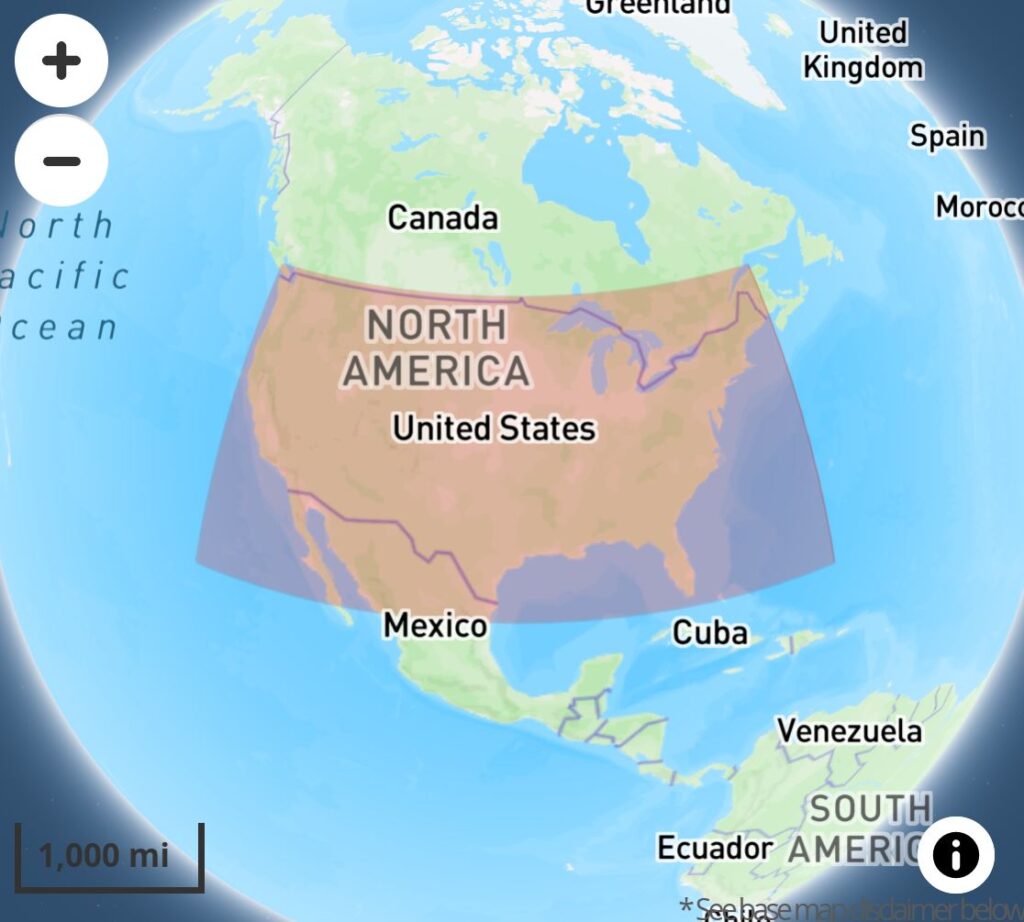
Users can zoom in on areas of interest, click on the map to view detailed information about geologic units and materials, standardized geomaterials, source map references, and links to further local maps. The map and its interactive web interface were completed in just three years. Additionally, large-scale data releases are available for download, including GIS-ready databases for each geologic layer and the full dataset (~6.4 GB) via the National Geologic Map Database.
In terms of the economic impact of geological mapping in the U.S. from 1994 to 2019it was found by American Geosciences Institute (AGI), in collaboration with the Association of American State Geologists that nearly $2 billion invested in mapping yielded returns of 7–10 times the cost, and in some cases up to 35 times, by supporting infrastructure, energy, mining, environmental protection, and disaster mitigation. Geological map, are an essential public good with widespread benefits across society.



Be the first to comment