
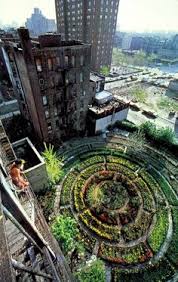
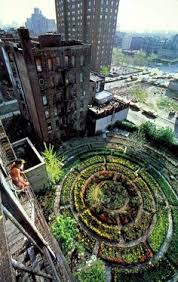
When does a space become a place? There are a myriad of small open spaces and buildings throughout towns and cities across Canada that offer places for play, walking, social gathering, and contemplation that are not official parks or community centers.
Boulevard gardens, empty lots turned dog walking spot, or commercial store front used as a gathering space after hours; these are but a few examples of how space becomes place in the context of local residents and the type of information Statistics Canada is trying to gather in its newly launched crowd-sourcing initiative.
The ability to map these locations and use them for empirical health research studies is but one aspect what the Population Health and Geographic Information Systems (PHDA-03) course offers.
Geography is intrinsic to population and public health, and knowing how to incorporate space into health research has become a valuable skill to have, be it for exploratory analysis, quantitative research or communication.
To learn more about this topic and for information on course offerings, click here.


Be the first to comment